In the context of rapid technological advancement and increasingly complex global challenges, interdisciplinary research has become a strategic priority in higher education institutions worldwide. Recognizing this trend, Industrial University of Ho Chi Minh City (IUH) has systematically developed an integrated research ecosystem that promotes collaboration across disciplines, fosters innovation, and enhances real-world impact.
Research income allocated to interdisciplinary science research within applicable disciplines
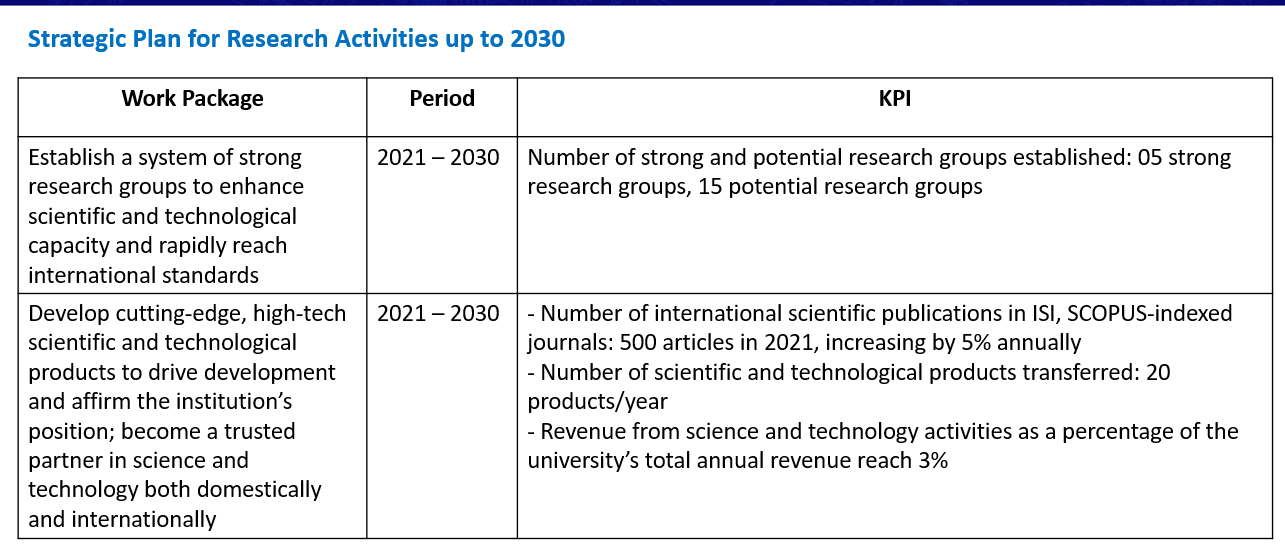
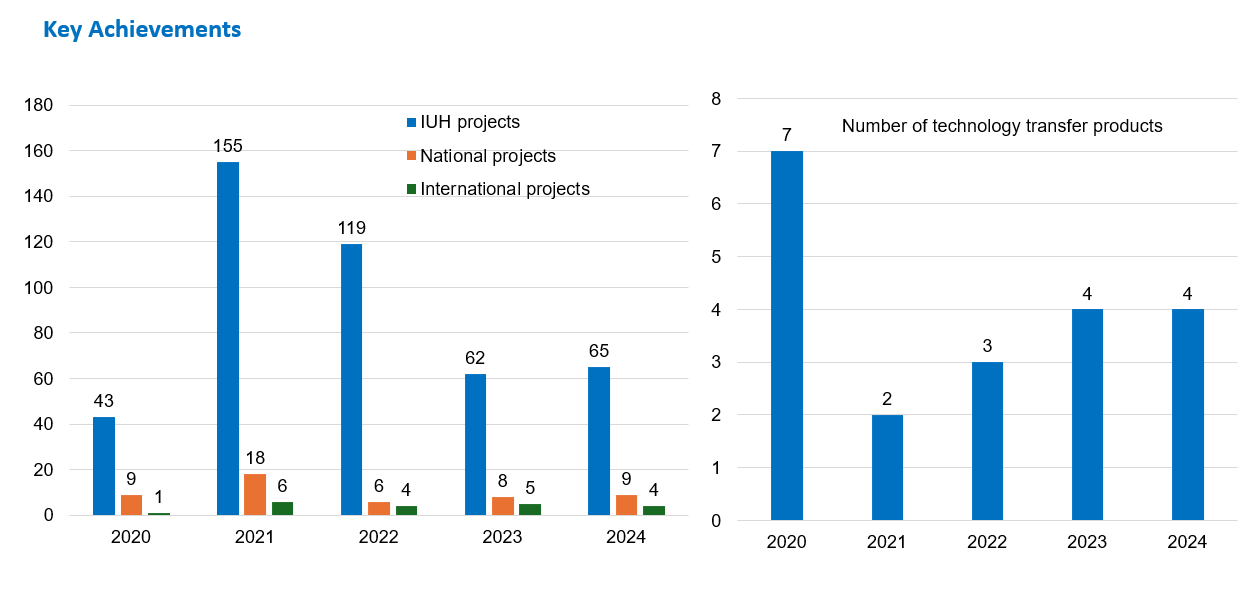
The revenue from science and technology activities exceeded VND 77 billion, encompassing scientific research, technology transfer, and innovation activities (including research income from multiple disciplines such as Engineering, Computer Science, Arts and Humanities, Clinical and Health, Physical Sciences, and Life Sciences), thereby reflecting the University’s interdisciplinary research activities. IUH has verified around VND 25 billion as dedicated interdisciplinary science research (ISR) income. This refined figure is derived from 48 key interdisciplinary projects that represent the actual crossover between core scientific fields such as Engineering, Computer Science, Physical Sciences, and Life Sciences.
This transition from a broad multidisciplinary total to a specific, evidenced-based ISR figure demonstrates IUH’s:
- Precision in Data Management: Moving beyond department-level reporting to project-level verification based on internal management codes and formal research contracts.
- Methodological Alignment: Ensuring that only collaborative projects involving two or more distinct disciplines are counted, thereby providing a more realistic and high-quality snapshot of the university’s interdisciplinary impact.
- Research Integrity: Aligning institutional financial disclosures with global standards to provide a transparent audit trail for national and international accreditation and ranking agencies.
Building a Multidisciplinary Research Environment
IUH maintains a strong commitment to science and technology development through sustained investment in research, innovation, and technology transfer activities. Research initiatives are designed not only within individual disciplines but also across faculties and institutes, enabling scholars to collaborate beyond traditional academic boundaries.
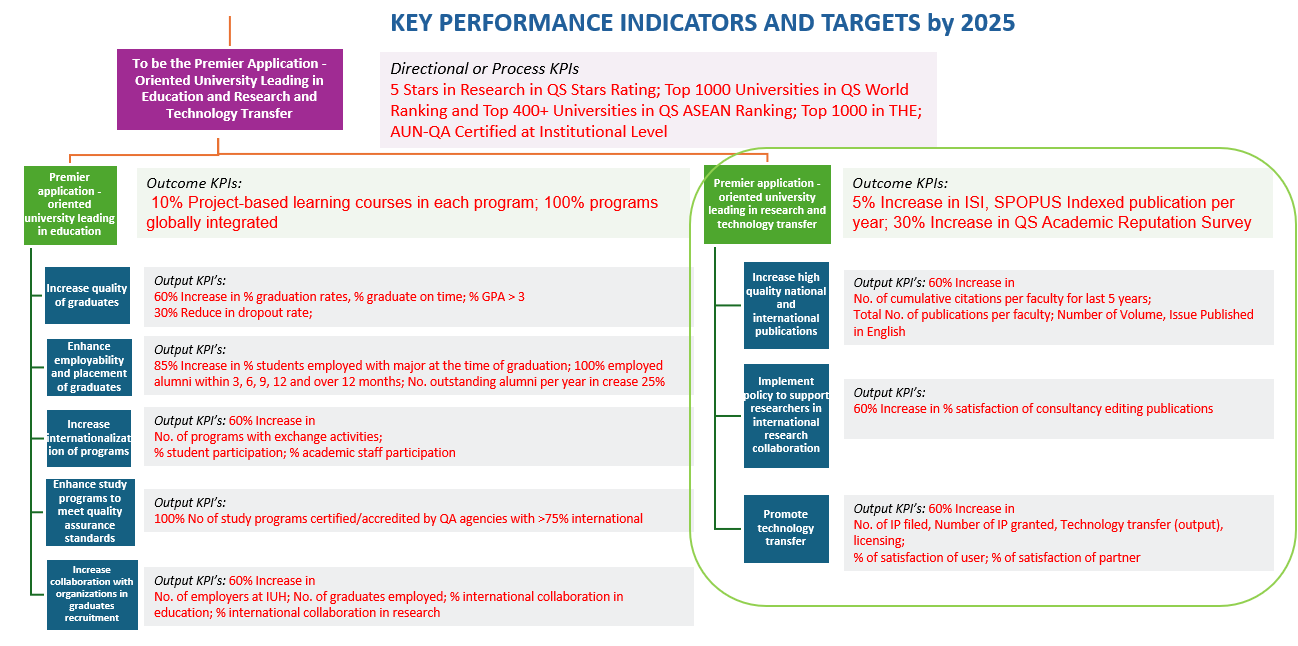
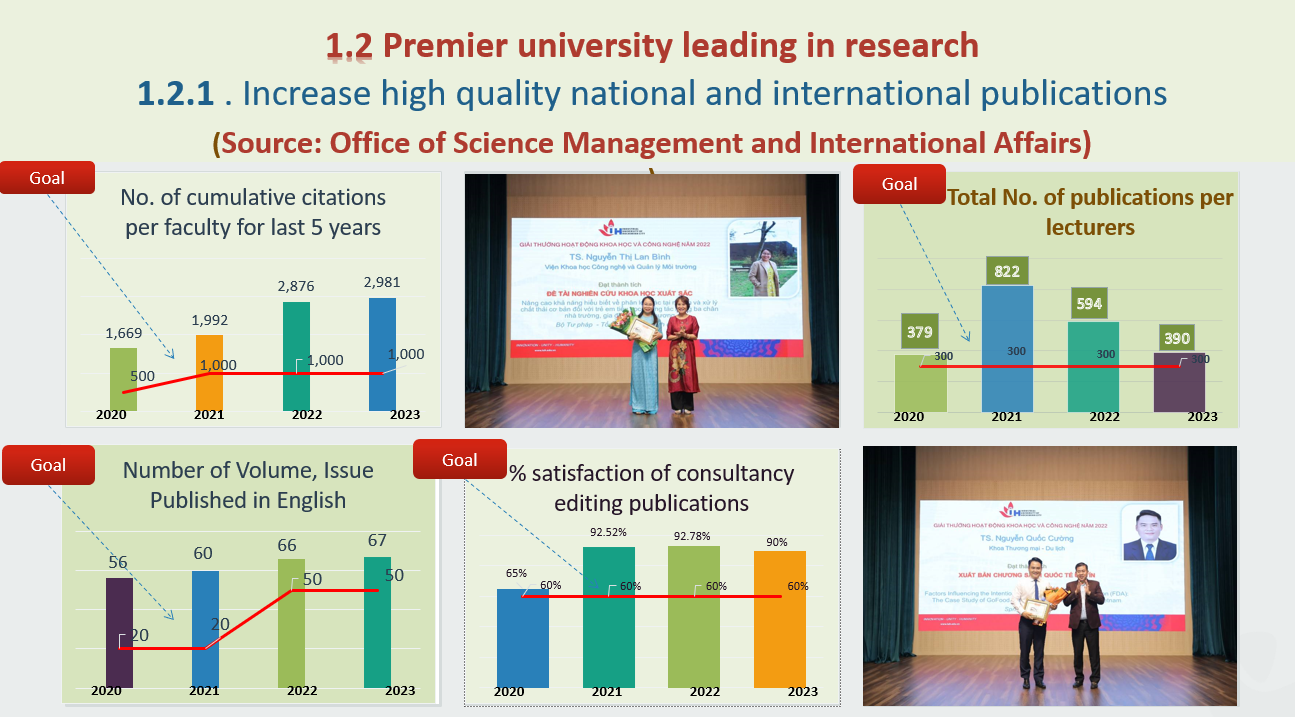
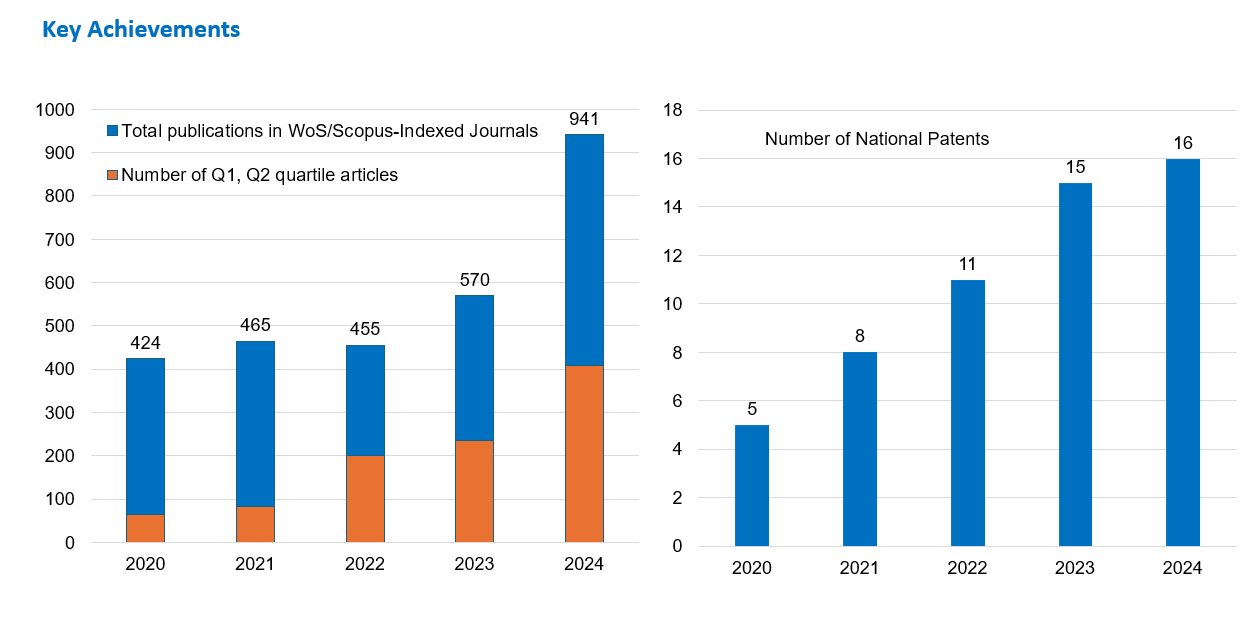
The University applies a comprehensive institution-wide performance evaluation framework to measure research success. Key indicators include international publications indexed in Web of Science (WoS) and Scopus—particularly those published in high-impact Q1–Q2 journals—competitive research grants, intellectual property outputs, and the performance of strong and emerging research groups. This structured system ensures that interdisciplinary research achievements are formally recognized and continuously enhanced.
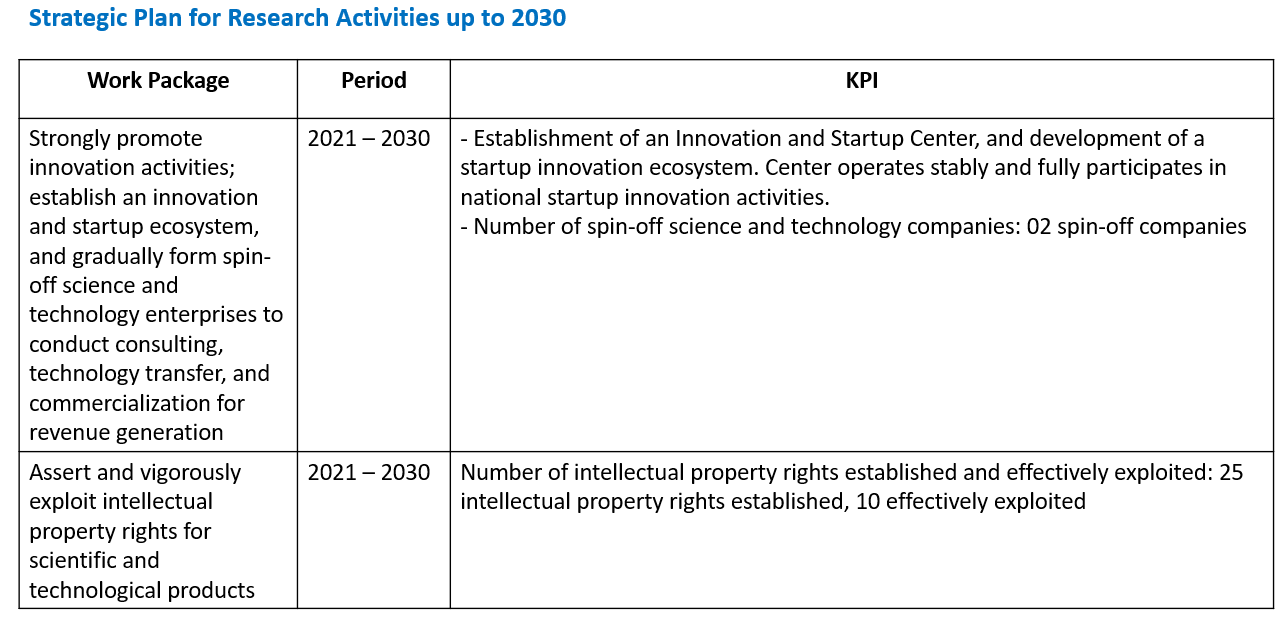
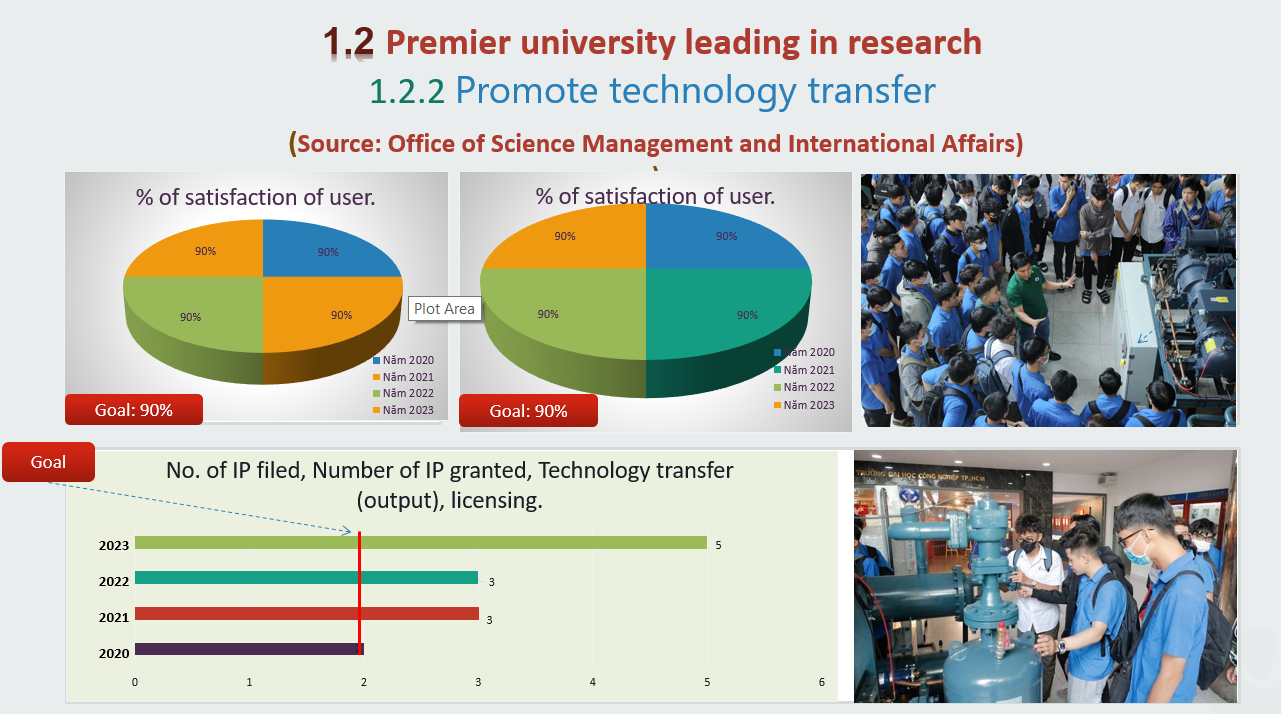
IUH evaluates research success through institution-wide KPIs, including international publications (WoS/Scopus), competitive research grants, intellectual property outputs, and the performance of research groups operating across priority fields, which collectively support and reflect interdisciplinary research outcomes. Specifically, IUH has established a system for measuring research outcomes applicable to interdisciplinary activities, as follows:
– University-level KPI system, which measures:
- International publications indexed in WoS/Scopus (896 publications, with over 44% in Q1–Q2 journals);
- Level of satisfaction with support for scientific publication (90.35%);
- Research performance in relation to knowledge transfer and innovation.
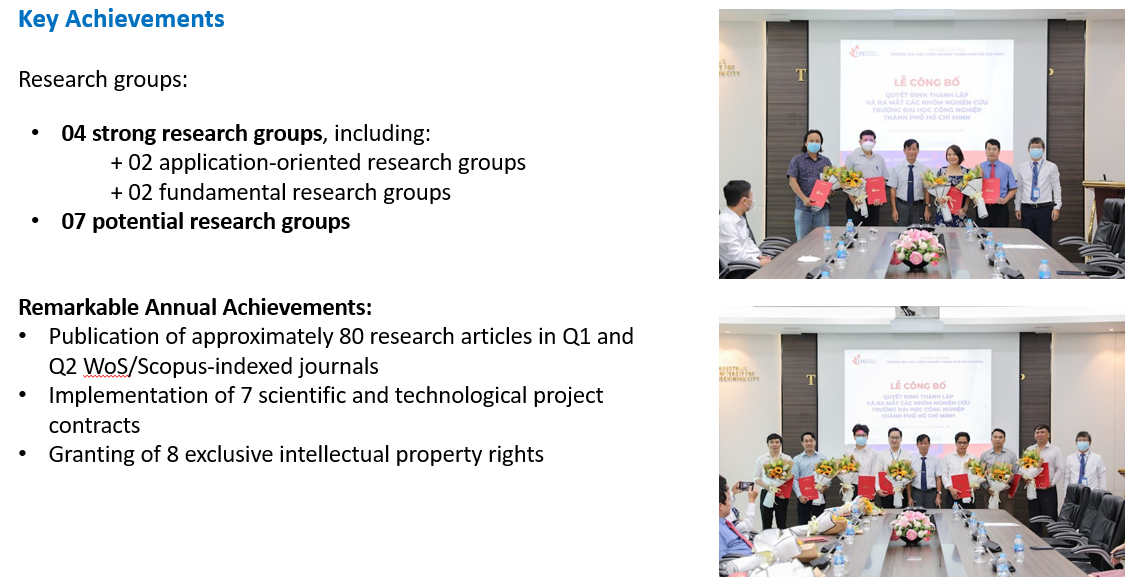
– Strong and potential research groups (05 strong groups and 10 potential groups), operating in key priority areas and not confined to a single faculty, with:
- 94 WoS/Scopus Q1–Q2 publications;
- 07 NAFOSTED-funded research projects;
- 08 intellectual property registrations.
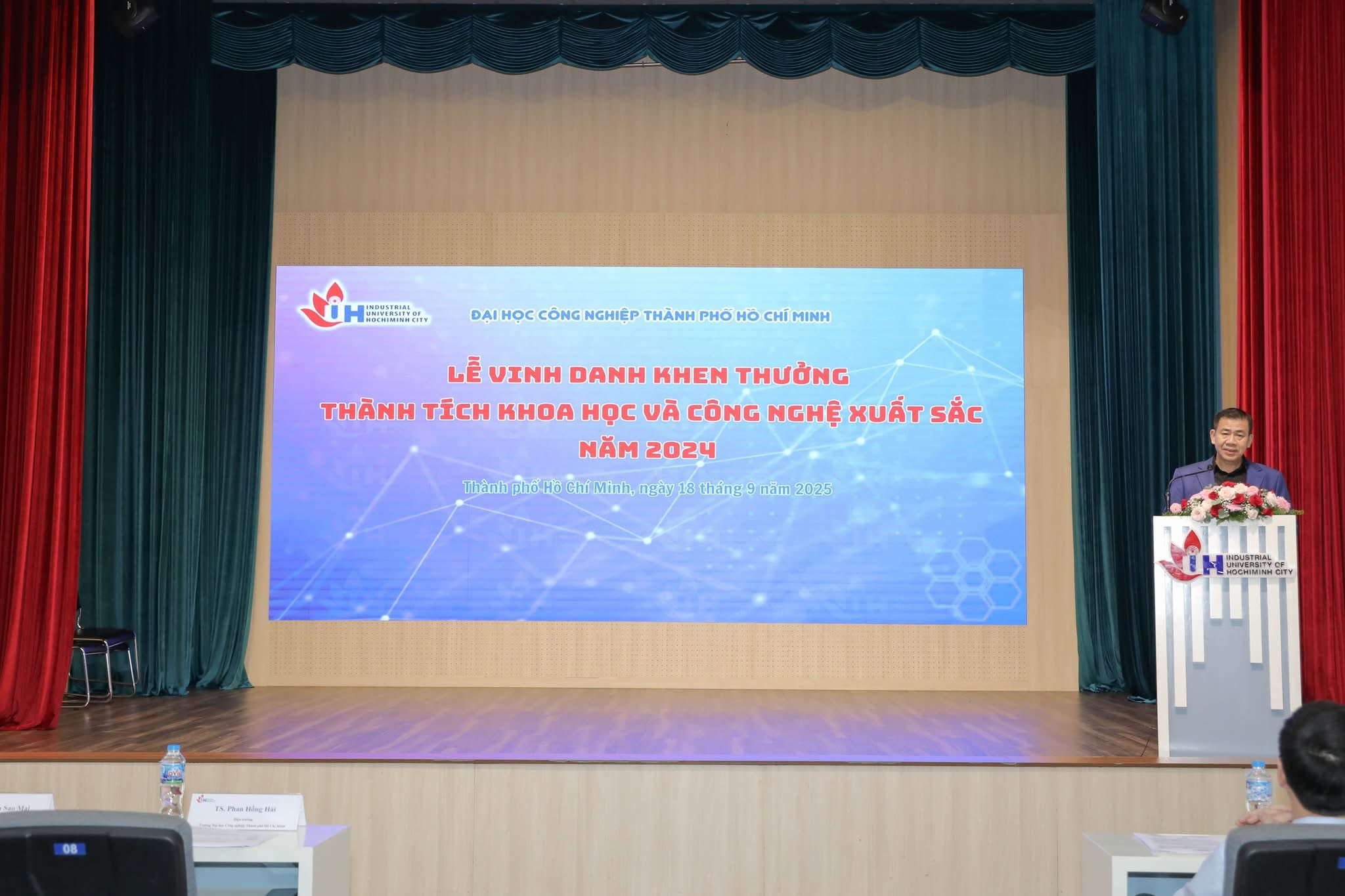
– International conferences, workshops, and academic seminars regularly organized at the university, faculty, and institute levels, fostering a multidisciplinary research environment.
Shared Research Infrastructure and Facilities
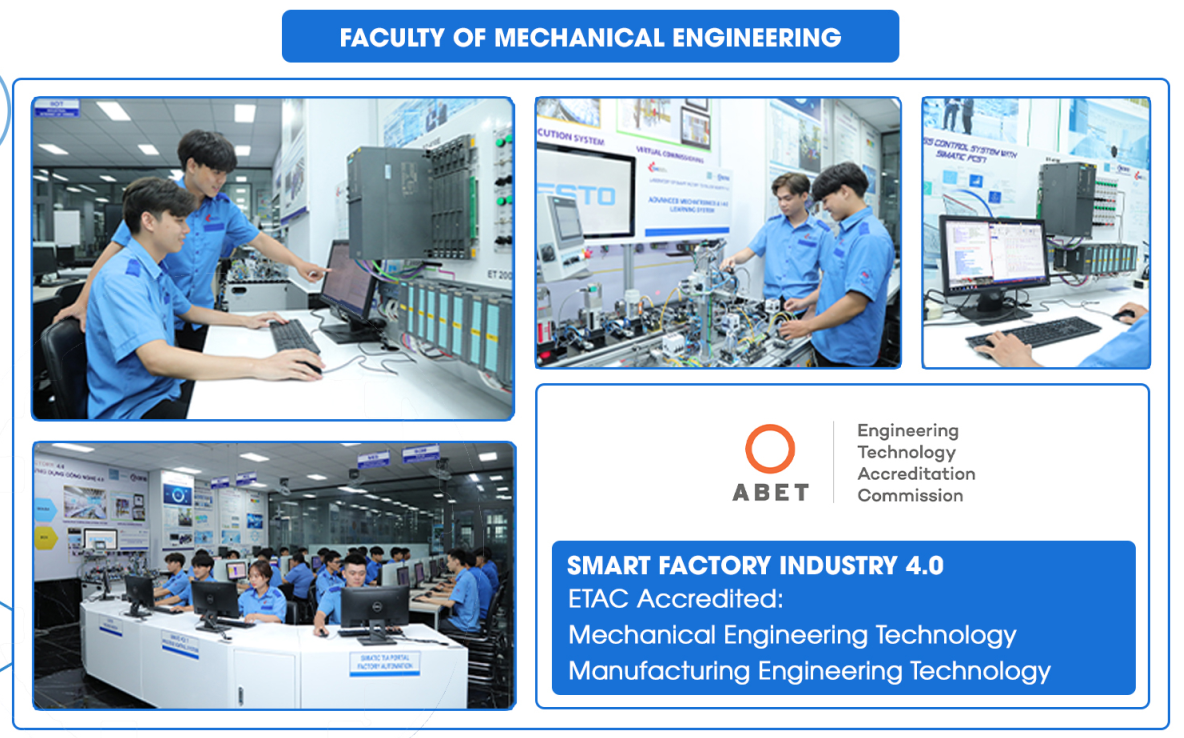
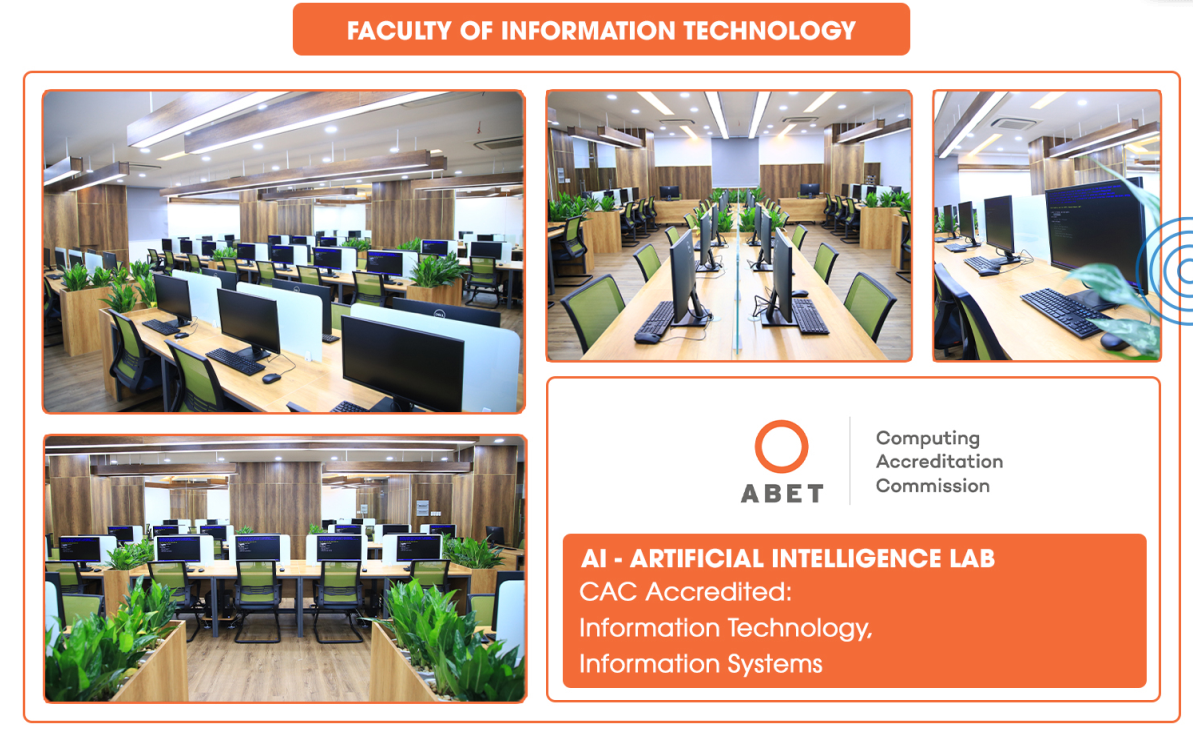
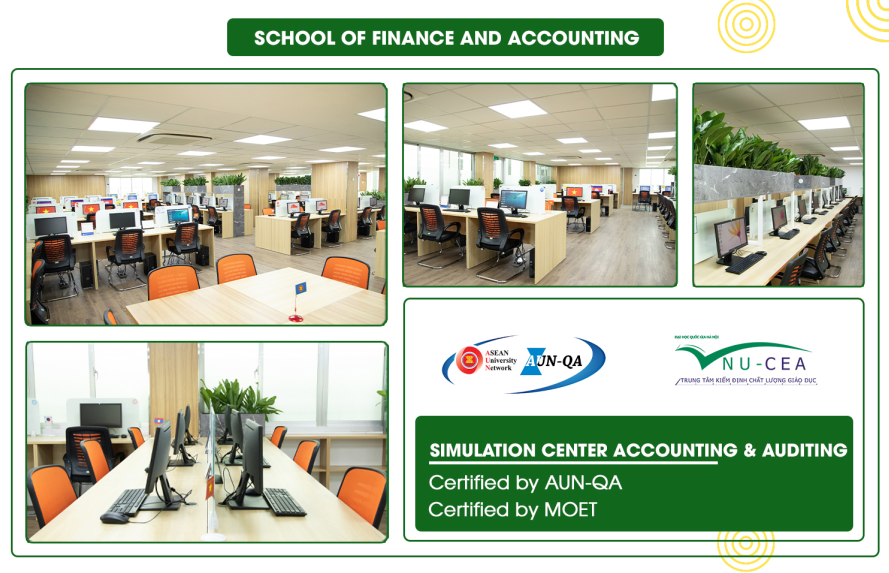
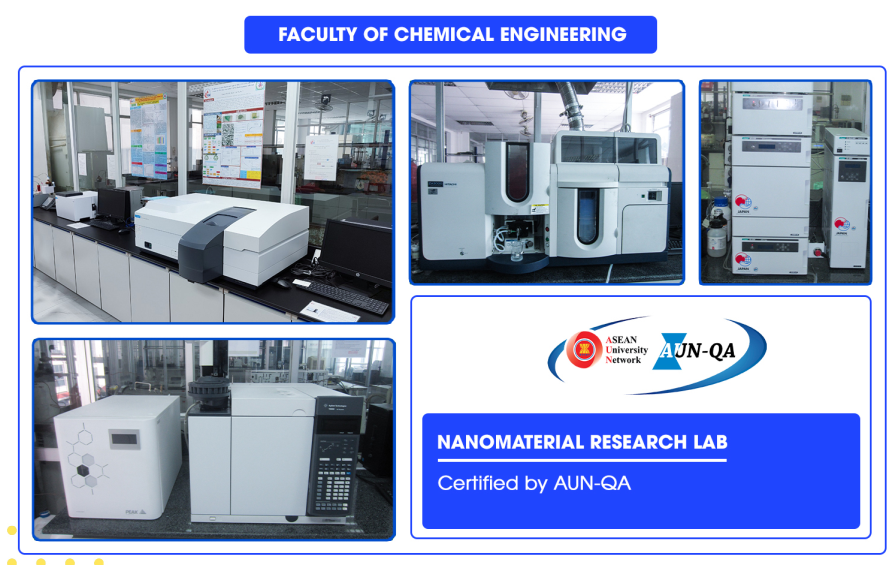
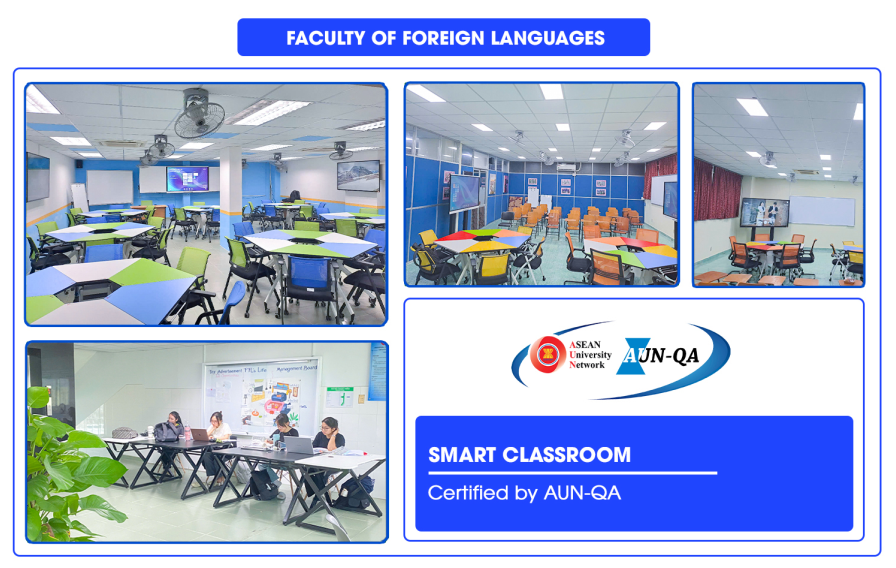
A defining feature of IUH’s interdisciplinary research strategy is its shared infrastructure model. The University provides extensive laboratories, workshops, and research facilities that serve multiple disciplines simultaneously. Rather than operating within isolated faculty-based structures, research groups utilize a common infrastructure platform that facilitates interaction among engineering, technology, economics, management, and applied science fields.
This integrated physical environment encourages collaborative experimentation, joint research projects, and knowledge exchange, thereby accelerating innovation and improving research outcomes. IUH provides extensive shared laboratories, workshops, and research facilities that support research, training, and technology transfer across multiple disciplines, enabling interdisciplinary research teams to collaborate within common physical infrastructures.
IUH possesses shared research infrastructure that supports multiple disciplines and provides adequate conditions for interdisciplinary research groups, including:
- 319 laboratories/workshops and 285 lecture rooms, distributed across multiple campuses
- An integrated system of laboratories and practical training facilities serving research, education, and technology transfer activities across multiple faculties and institutes
- Strong and emerging research groups operating on the University’s shared infrastructure platform, rather than being segregated by single-discipline boundaries

Institutional Governance and Administrative Support
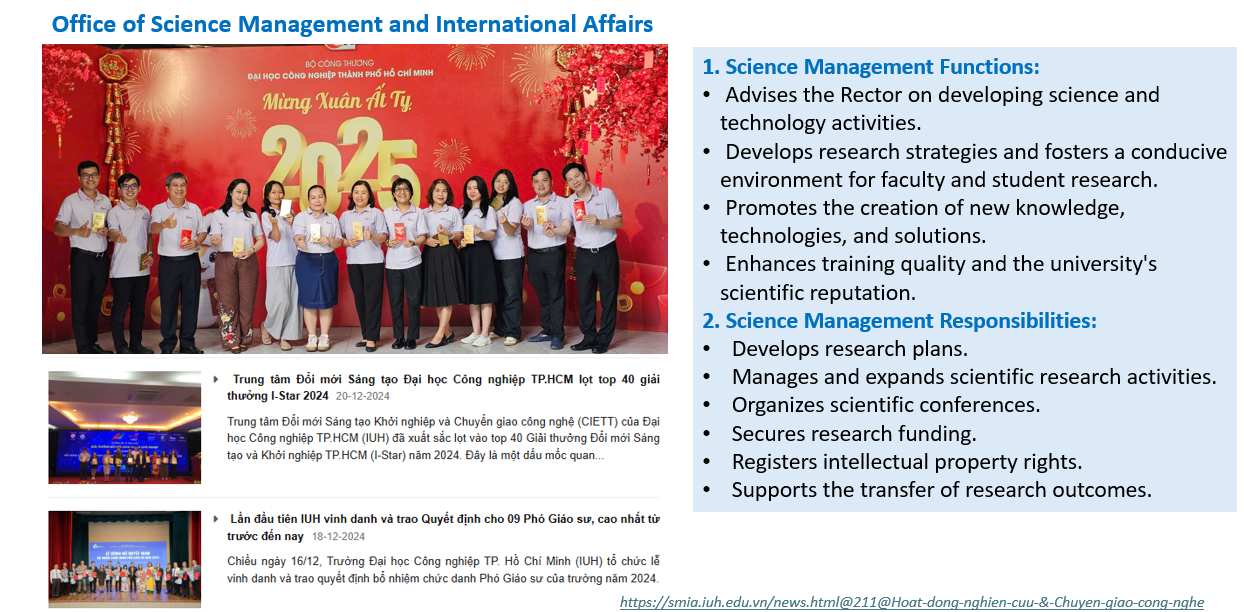
Effective interdisciplinary research requires not only academic collaboration but also strong institutional governance. IUH has established centralized administrative mechanisms to manage science and technology activities efficiently and transparently.
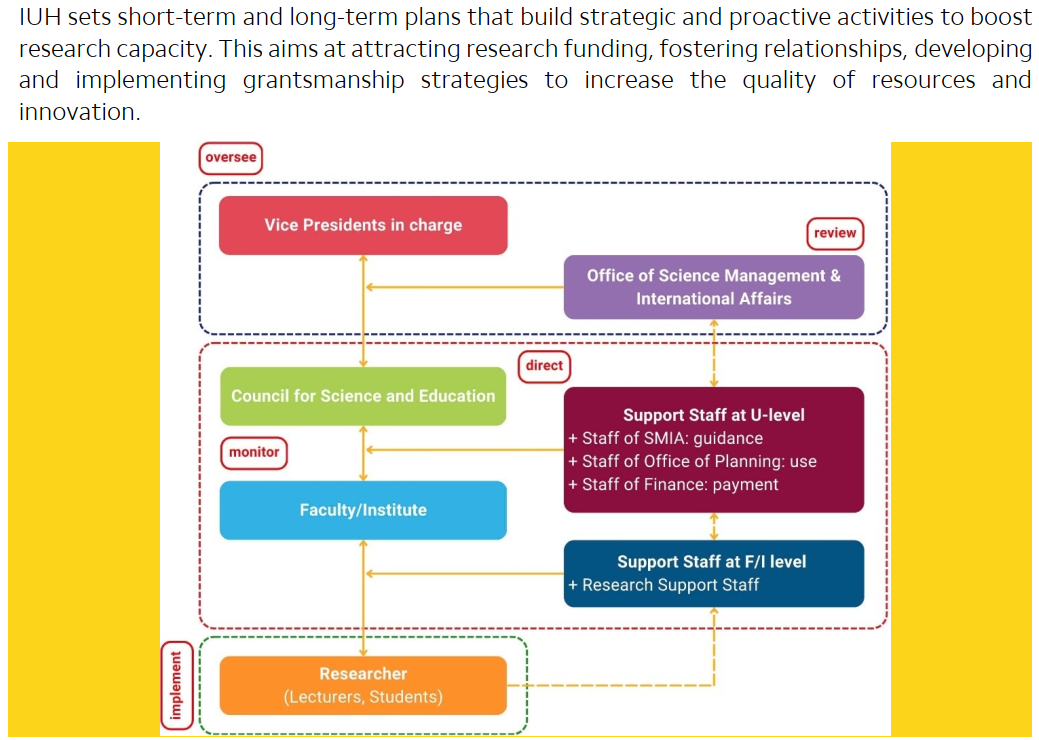
The University has standardized and digitalized research management procedures, ensuring streamlined project administration, intellectual property management, and technology transfer coordination. Research groups and interdisciplinary projects receive institutional-level support through KPI monitoring systems, reporting mechanisms, accreditation processes, and ranking-related activities. This governance framework enables researchers to focus on scientific excellence while benefiting from professional administrative assistance.
IUH provides centralized administrative support for research activities through institution-level units responsible for research management, digitalized KHCN procedures, project administration, intellectual property, technology transfer, and KPI reporting, which support interdisciplinary research teams across multiple disciplines. IUH has established a dedicated administrative and management support system for science and technology activities, applied consistently across research groups and interdisciplinary research projects, including:
– Standardization and digitization of the University-wide management documentation system for science and technology activities;
– Centralized management of scientific research projects, research groups, intellectual property, and technology transfer at the institutional level (not limited to individual faculties);
– Implementation of KPI frameworks, reporting mechanisms, accreditation processes, and ranking activities overseen by functional units (departments/centres);
– Administrative support for strong research groups, emerging research groups, NAFOSTED-funded projects, and international research projects.
Recognizing Interdisciplinary Contributions in Academic Advancement
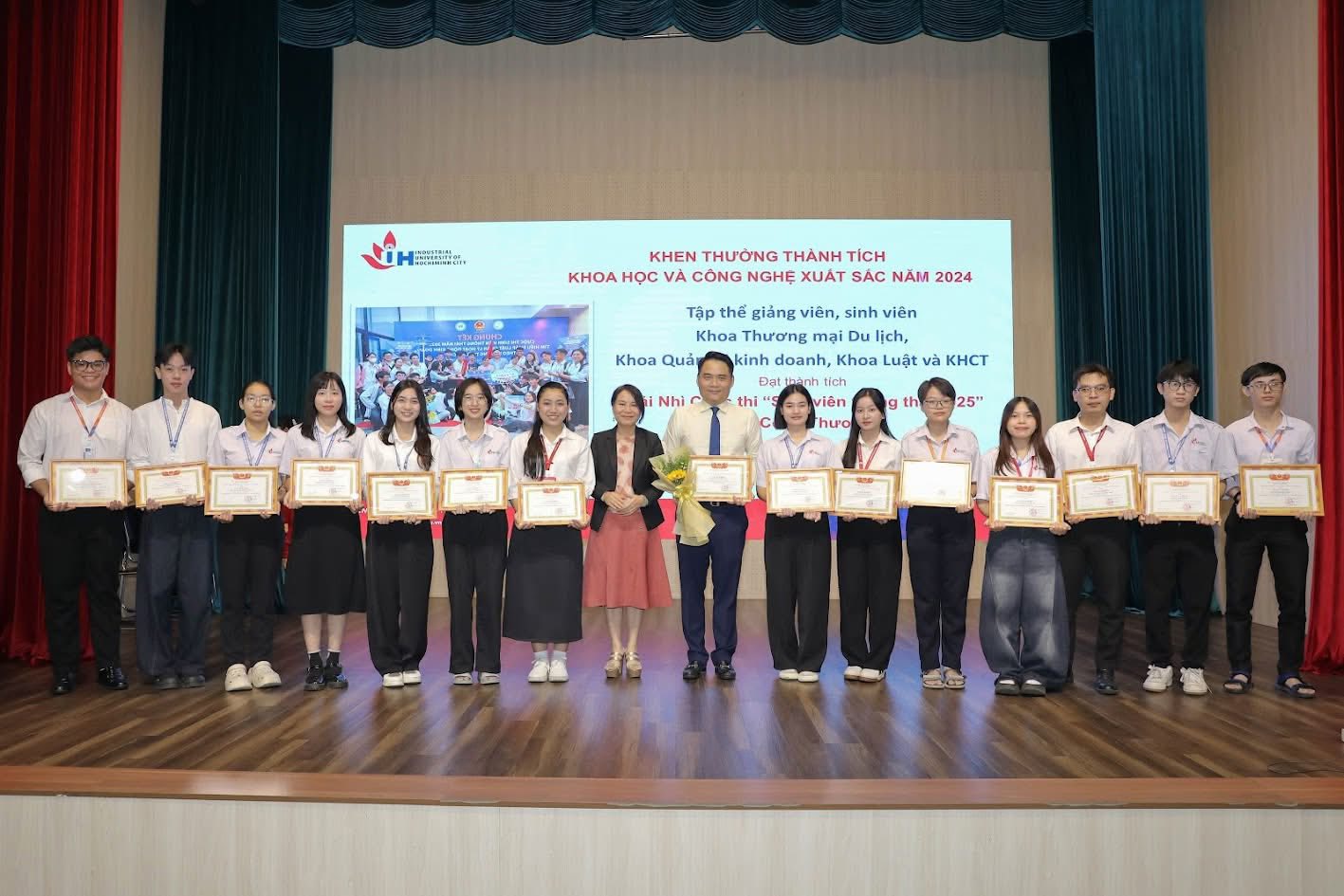
IUH maintains a formal academic recognition and career development system in which research performance constitutes a core evaluation criterion. Publications in reputable international journals, competitive research grants, intellectual property registrations, and innovation outcomes play a decisive role in academic promotion and professional advancement.
Importantly, interdisciplinary research contributions are assessed based on their scientific quality and impact rather than being constrained by traditional single-discipline classifications. This approach encourages faculty members to pursue cross-disciplinary collaboration and address complex societal challenges through integrated knowledge.
While IUH does not operate a tenure system in the traditional sense, it maintains a formal career promotion and academic recognition framework in which research outputs—including publications, competitive grants, intellectual property, and technology transfer—are key criteria. These mechanisms apply to research conducted across multiple disciplines and support the recognition of interdisciplinary research contributions. IUH maintains a formal and institutionalized framework for academic recognition and career advancement, in which research performance—including interdisciplinary research—constitutes a core evaluative criterion.
Academic advancement encompasses appointments to the ranks of Professor and Associate Professor, as well as promotion within the professional academic title system.
Scholarly recognition is primarily based on:
– Publications indexed in Web of Science and Scopus, with particular emphasis on Q1–Q2 journals;
– Competitive research grants, including NAFOSTED-funded projects and other nationally or internationally funded research initiatives;
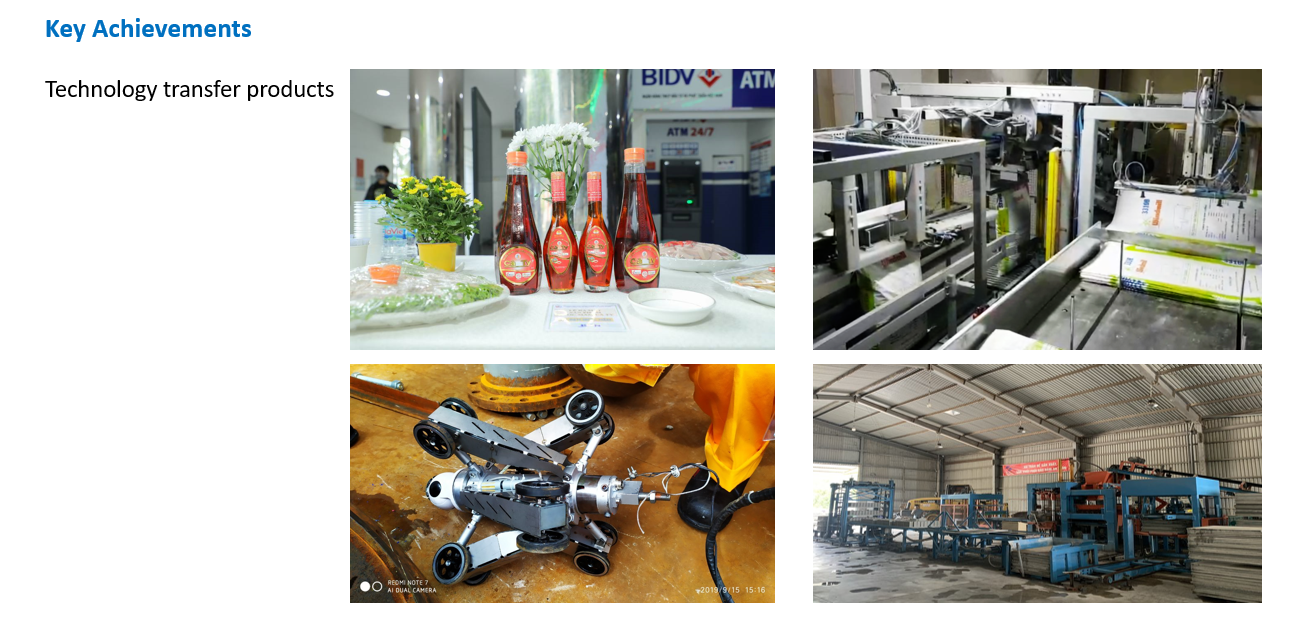
– Intellectual property outputs and technology transfer activities.
Interdisciplinary research groups are formally recognized on the basis of their scientific outputs and substantive academic contributions, rather than being constrained by traditional single-discipline boundaries.
Strategic Orientation and Future Development
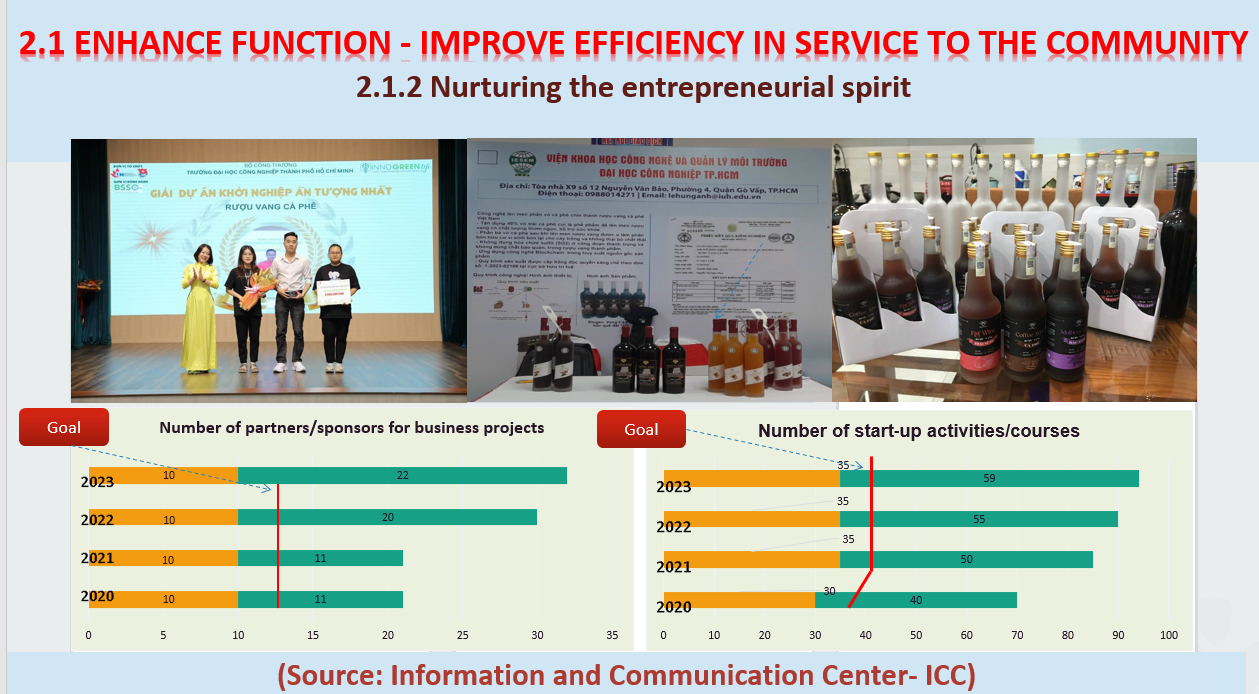
To further strengthen its interdisciplinary research environment, IUH continues to implement strategic reforms aligned with national priorities in science, technology, innovation, and digital transformation. The University has developed new interdisciplinary academic programs in areas such as Financial Technology (FinTech), Artificial Intelligence, Supply Chain Management, Energy Management, and Nuclear Power Engineering.
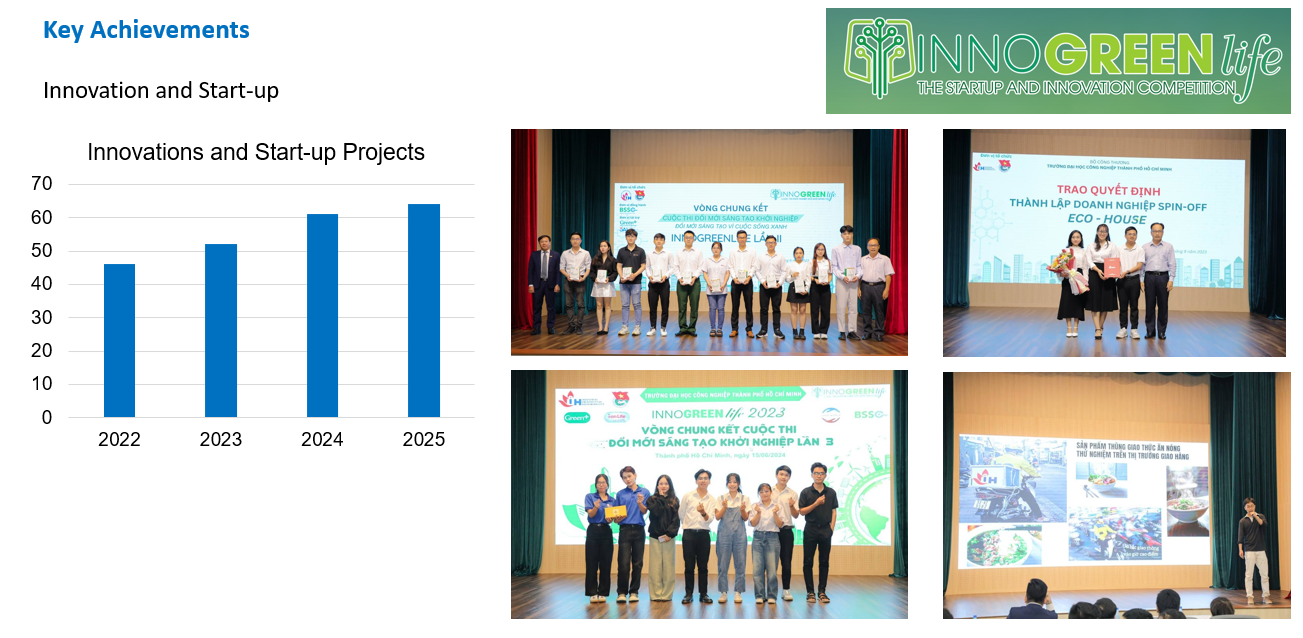
Additionally, IUH actively promotes international academic conferences, collaborative research initiatives, and partnerships with industry. By integrating research, innovation, and practical application, the University ensures that scientific knowledge contributes meaningfully to socio-economic development.
Through sustained institutional commitment, shared infrastructure, structured governance, and forward-looking strategies, IUH continues to advance interdisciplinary research excellence—positioning itself as a dynamic and innovation-driven university in the regional and global academic landscape.
In recent years, IUH has strengthened support for interdisciplinary science through institutional action programs aligned with national innovation policies, the development of interdisciplinary academic programs, the expansion of strong and potential research groups, enhanced international research collaboration, and increased integration of research, innovation, and technology transfer activities.
In recent years, IUH has implemented a series of systemic reforms that have directly strengthened its interdisciplinary research environment, including the following initiatives:
– The promulgation of an Action Program to implement Resolution No. 57-NQ/TW, with a strategic focus on:
- the development of science and technology;
- innovation;
- digital transformation.
– The establishment of new interdisciplinary programs and specializations, such as:
- Financial Technology (FinTech);
- Artificial Intelligence;
- Supply Chain Management;
- Energy Management and Nuclear Power Engineering.
– The reinforcement and expansion of strong and high-potential research group models.
– The intensified promotion of:
- international academic conferences and workshops;
- research projects in which faculty members serve as principal investigators or hold leading roles;
- linkages between research, industry, and practical application