
Industrial University of Ho Chi Minh City (IUH) integrates energy monitoring into the management of its teaching, research and campus operations. By reviewing consumption records and examining demand across functional areas, the University develops a basis for identifying priorities for energy efficiency assessments and improving facilities management.
This approach connects responsible resource use with the provision of suitable classrooms, laboratories, working spaces and student accommodation.
Monitoring Energy Consumption and Performance
IUH’s updated institutional dataset records 40,679 GJ of total energy use in 2025. Of this amount, 37,759 GJ came from low-carbon sources, accounting for 92.82% of total energy consumption.
With a reported university floor space of 215,936 m², energy use density was approximately 0.1884 GJ/m²/year.
| Indicator | Reported Value for 2025 |
|---|---|
| Total energy used | 40,679 GJ |
| Energy from low-carbon sources | 37,759 GJ |
| Low-carbon share of total energy | 92.82% |
| University floor space | 215,936 m² |
| Energy use density | 0.1884 GJ/m²/year |
These indicators provide complementary information for energy management. Total energy use describes the scale of consumption, while energy use density relates consumption to the reported floor area. The low-carbon share describes the composition of the energy sources included in institutional reporting.
Analysing Demand Across Campus Facilities
IUH monitors electricity demand through four transformer substations serving academic buildings, classrooms, laboratories, student dormitories and other facilities at its main campus. Records organised by month and substation enable the University to examine differences in demand across functional areas and operating periods.
The monitoring framework covers substations serving Buildings D, V and X; student dormitories and related facilities; Buildings A, H and B; and Buildings E and K. These records help facilities management teams identify locations requiring further assessment and compare consumption with teaching schedules, laboratory activities and accommodation needs.
Consumption patterns are considered alongside building size, occupancy, equipment and operating hours. This provides a more appropriate basis for identifying potential inefficiencies than consumption volume alone.
Identifying Opportunities to Improve Energy Efficiency
Energy monitoring supports the selection of priority areas for technical reviews. For classrooms, offices and laboratories, these reviews can examine lighting, air-conditioning operation, equipment schedules and electricity consumption outside normal operating hours.
In student accommodation, demand patterns can help assess the relationship between electricity use and residents’ daily activities. Reviewing major loads and equipment operating conditions provides opportunities to improve resource management while maintaining essential services.
IUH’s reported campus measures include LED lighting, inverter air-conditioning equipment and maintenance of electrical and cooling systems. Electricity records and energy audit recommendations help inform decisions about equipment replacement and operational adjustments.
The updated energy-density indicator also provides a reference for subsequent monitoring. Meaningful comparisons between buildings or reporting years require consistent floor-area boundaries and consideration of differences in campus activity.
Integrating Solar Monitoring and Practical Learning
IUH reports rooftop solar photovoltaic systems with a combined installed capacity of 75 kW. Monitoring information on generation and equipment operating status supplements the University’s energy records and supports assessment of renewable electricity production.
These systems provide opportunities for students and lecturers to observe photovoltaic generation, inverter operation and energy conversion. Practical engagement with operating equipment helps connect engineering education with applications of renewable energy technology.
Installed solar capacity and actual electricity generation are recorded as separate indicators. The institutional low-carbon energy figure follows the source classification used in the energy report and should not be interpreted as electricity generated entirely by the rooftop solar systems.
Supporting Operational Decisions
Consistent energy records help IUH identify where more detailed inspections are needed and direct technical resources towards relevant operational issues. Follow-up assessments can examine equipment condition, operating schedules and opportunities to reduce unnecessary consumption.
Monitoring also supports coordination between facilities management teams and the units using classrooms, laboratories and accommodation facilities. Connecting consumption information with actual operating needs helps the University assess improvement measures while maintaining suitable conditions for students and staff.
Results, Outcomes and Impacts
IUH’s updated 2025 dataset records 40,679 GJ of total energy use, including 37,759 GJ from low-carbon sources, equivalent to 92.82%. Across 215,936 m² of reported floor space, energy use density was approximately 0.1884 GJ/m²/year. Monitoring through four transformer substations, together with information from 75 kW of installed rooftop solar capacity, provides operational data for assessing demand and identifying priorities for further review.
For facilities management teams, these records support more focused inspections and informed decisions about equipment operation and investment. Students, lecturers and staff benefit from an approach that considers energy efficiency alongside reliable lighting, cooling and laboratory services. Continued monitoring creates opportunities to limit avoidable consumption while maintaining suitable learning, research and living conditions, supporting IUH’s contribution to SDG 7: Affordable and Clean Energy.
IUH theo dõi năng lượng tiêu thụ và xác định cơ hội cải thiện hiệu quả vận hành
Trường Đại học Công nghiệp Thành phố Hồ Chí Minh (IUH) lồng ghép theo dõi năng lượng vào công tác quản lý hoạt động đào tạo, nghiên cứu và vận hành khuôn viên. Thông qua rà soát dữ liệu tiêu thụ và phân tích nhu cầu tại các khu vực chức năng, Nhà trường tạo cơ sở xác định những nội dung cần ưu tiên đánh giá hiệu quả năng lượng và cải thiện công tác quản lý cơ sở vật chất.
Cách tiếp cận này gắn sử dụng tài nguyên có trách nhiệm với việc duy trì điều kiện phù hợp tại phòng học, phòng thí nghiệm, không gian làm việc và ký túc xá.
Theo dõi mức tiêu thụ và hiệu quả sử dụng năng lượng
Bộ dữ liệu cập nhật của IUH ghi nhận tổng năng lượng sử dụng năm 2025 đạt 40.679 GJ. Trong đó, năng lượng từ các nguồn carbon thấp đạt 37.759 GJ, chiếm 92,82% tổng năng lượng sử dụng.
Với tổng diện tích sàn công trình được báo cáo là 215.936 m², mật độ sử dụng năng lượng đạt khoảng 0,1884 GJ/m²/năm.
| Chỉ tiêu | Giá trị báo cáo năm 2025 |
|---|---|
| Tổng năng lượng sử dụng | 40.679 GJ |
| Năng lượng từ các nguồn carbon thấp | 37.759 GJ |
| Tỷ trọng năng lượng carbon thấp | 92,82% |
| Tổng diện tích sàn công trình | 215.936 m² |
| Mật độ sử dụng năng lượng | 0,1884 GJ/m²/năm |
Các chỉ tiêu cung cấp những thông tin bổ trợ cho công tác quản lý năng lượng. Tổng năng lượng thể hiện quy mô tiêu thụ, trong khi mật độ sử dụng năng lượng phản ánh mức tiêu thụ tương ứng với diện tích sàn được thống kê. Tỷ trọng carbon thấp thể hiện cơ cấu các nguồn năng lượng trong phạm vi báo cáo của Nhà trường.
Phân tích nhu cầu tại các khu vực trong khuôn viên
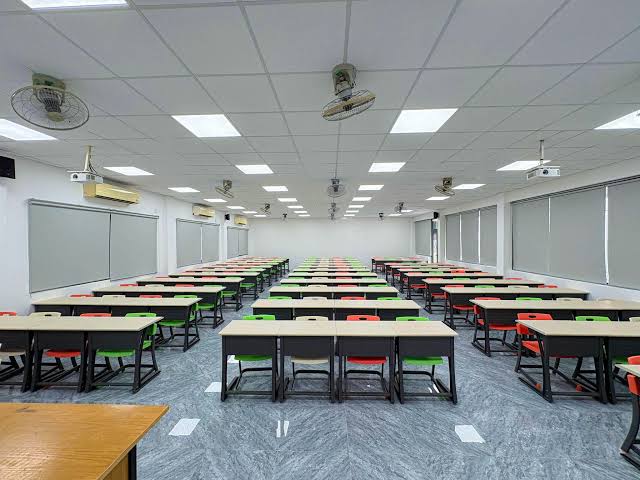
IUH theo dõi nhu cầu điện thông qua bốn trạm biến áp phục vụ giảng đường, phòng học, phòng thí nghiệm, ký túc xá và các công trình chức năng tại cơ sở chính. Dữ liệu được tổ chức theo tháng và từng trạm, hỗ trợ phân tích sự khác biệt về nhu cầu giữa các khu vực và thời điểm vận hành.
Phạm vi theo dõi bao gồm các trạm phục vụ nhà D, V và X; ký túc xá và các công trình liên quan; nhà A, H và B; nhà E và K. Dữ liệu giúp các đơn vị quản lý cơ sở vật chất xác định những vị trí cần đánh giá chuyên sâu, đồng thời đối chiếu nhu cầu tiêu thụ với lịch đào tạo, hoạt động phòng thí nghiệm và nhu cầu lưu trú.
Đặc điểm tiêu thụ được xem xét cùng diện tích công trình, số lượng người sử dụng, thiết bị và thời gian hoạt động. Việc kết hợp các yếu tố này giúp nhận diện khả năng sử dụng năng lượng kém hiệu quả phù hợp hơn so với chỉ căn cứ vào tổng mức tiêu thụ.
Xác định cơ hội cải thiện hiệu quả sử dụng năng lượng
Theo dõi năng lượng hỗ trợ lựa chọn các khu vực ưu tiên rà soát kỹ thuật. Đối với phòng học, văn phòng và phòng thí nghiệm, nội dung đánh giá có thể tập trung vào hệ thống chiếu sáng, vận hành điều hòa, lịch sử dụng thiết bị và điện năng tiêu thụ ngoài giờ hoạt động thông thường.
Tại ký túc xá, đặc điểm phụ tải hỗ trợ đánh giá mối liên hệ giữa nhu cầu điện và sinh hoạt hằng ngày của người học. Rà soát các phụ tải lớn và điều kiện vận hành thiết bị tạo cơ hội cải thiện quản lý tài nguyên, đồng thời duy trì các dịch vụ thiết yếu.
Các giải pháp được IUH báo cáo bao gồm chiếu sáng LED, thiết bị điều hòa công nghệ Inverter và bảo trì hệ thống điện, làm mát. Dữ liệu điện năng kết hợp với khuyến nghị kiểm toán năng lượng hỗ trợ quyết định thay thế thiết bị và điều chỉnh vận hành.
Chỉ số mật độ sử dụng năng lượng cập nhật cũng cung cấp cơ sở tham chiếu cho hoạt động theo dõi tiếp theo. Việc so sánh giữa các công trình hoặc năm báo cáo cần thống nhất phạm vi diện tích sàn và xem xét sự khác biệt về quy mô hoạt động.
Kết hợp giám sát điện mặt trời với học tập thực hành
IUH báo cáo các hệ thống điện mặt trời áp mái có tổng công suất lắp đặt 75 kW. Thông tin giám sát về sản lượng phát điện và trạng thái thiết bị bổ sung cho dữ liệu năng lượng, đồng thời hỗ trợ đánh giá hoạt động sản xuất điện tái tạo.
Các hệ thống tạo cơ hội để sinh viên và giảng viên quan sát quá trình phát điện quang điện, vận hành bộ biến tần và chuyển đổi năng lượng. Tiếp cận thiết bị đang hoạt động giúp kết nối đào tạo kỹ thuật với ứng dụng thực tế của công nghệ năng lượng tái tạo.
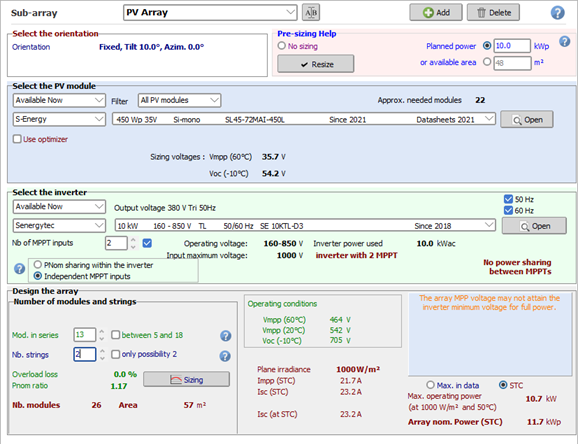
Hình 2. Hệ thống điện mặt trời áp mái và hoạt động giám sát sản lượng tại IUH.
Công suất điện mặt trời lắp đặt và sản lượng điện thực tế được ghi nhận bằng các chỉ tiêu riêng. Tổng năng lượng carbon thấp của Nhà trường được xác định theo phân loại nguồn trong báo cáo năng lượng; không diễn giải toàn bộ giá trị này là điện được tạo ra từ các hệ thống điện mặt trời áp mái.
Hỗ trợ quyết định quản lý vận hành
Dữ liệu năng lượng được theo dõi nhất quán giúp IUH xác định những vị trí cần kiểm tra chi tiết và tập trung nguồn lực kỹ thuật vào các vấn đề vận hành phù hợp. Hoạt động đánh giá tiếp theo có thể xem xét tình trạng thiết bị, lịch hoạt động và cơ hội hạn chế tiêu thụ không cần thiết.
Theo dõi năng lượng cũng hỗ trợ phối hợp giữa các đơn vị quản lý cơ sở vật chất với các đơn vị sử dụng phòng học, phòng thí nghiệm và ký túc xá. Gắn thông tin tiêu thụ với nhu cầu thực tế giúp Nhà trường đánh giá giải pháp cải tiến, đồng thời duy trì điều kiện phù hợp cho người học và viên chức.
Kết quả, lợi ích và tác động
Bộ dữ liệu cập nhật năm 2025 của IUH ghi nhận 40.679 GJ tổng năng lượng sử dụng, trong đó 37.759 GJ từ các nguồn carbon thấp, tương ứng 92,82%. Với 215.936 m² diện tích sàn được báo cáo, mật độ sử dụng năng lượng đạt khoảng 0,1884 GJ/m²/năm. Hoạt động theo dõi qua bốn trạm biến áp, kết hợp thông tin từ các hệ thống điện mặt trời có tổng công suất 75 kW, cung cấp dữ liệu vận hành để đánh giá nhu cầu và xác định thứ tự ưu tiên rà soát.
Đối với các đơn vị quản lý cơ sở vật chất, dữ liệu hỗ trợ tập trung nguồn lực kiểm tra và đưa ra quyết định phù hợp về vận hành, đầu tư thiết bị. Sinh viên, giảng viên và viên chức được hưởng lợi từ cách quản lý gắn hiệu quả năng lượng với việc duy trì ổn định các dịch vụ chiếu sáng, làm mát và phòng thí nghiệm. Theo dõi thường xuyên tạo cơ hội hạn chế tiêu thụ không cần thiết, đồng thời bảo đảm điều kiện học tập, nghiên cứu và sinh hoạt, đóng góp vào SDG 7: Năng lượng sạch với giá thành hợp lý.


