
Preserving and sharing cultural and historical heritage is an important responsibility of higher education institutions. Beyond education and scientific research, universities can contribute to community development by maintaining cultural exhibition spaces, preserving historical materials and creating opportunities for members of the public to explore institutional heritage.
Industrial University of Ho Chi Minh City (IUH), through its Library Centre, supports these objectives by maintaining a Traditional Exhibition Room that presents the University’s history, educational achievements and cultural values. The supporting documentation also identifies visitor reception procedures and activities intended to facilitate access for students, teachers, researchers, external partners and the wider community.
These initiatives contribute to Sustainable Development Goal 11 (SDG 11) – Sustainable Cities and Communities by supporting access to cultural resources, preserving institutional heritage and promoting community engagement. They also complement SDG 4 – Quality Education through educational visits and opportunities for learning beyond the classroom.
Activity 1: Preserving and Presenting IUH’s Historical Heritage through the Traditional Exhibition Room
The preservation and public presentation of historical materials provide opportunities for communities to understand the development of educational institutions and their contributions to society.
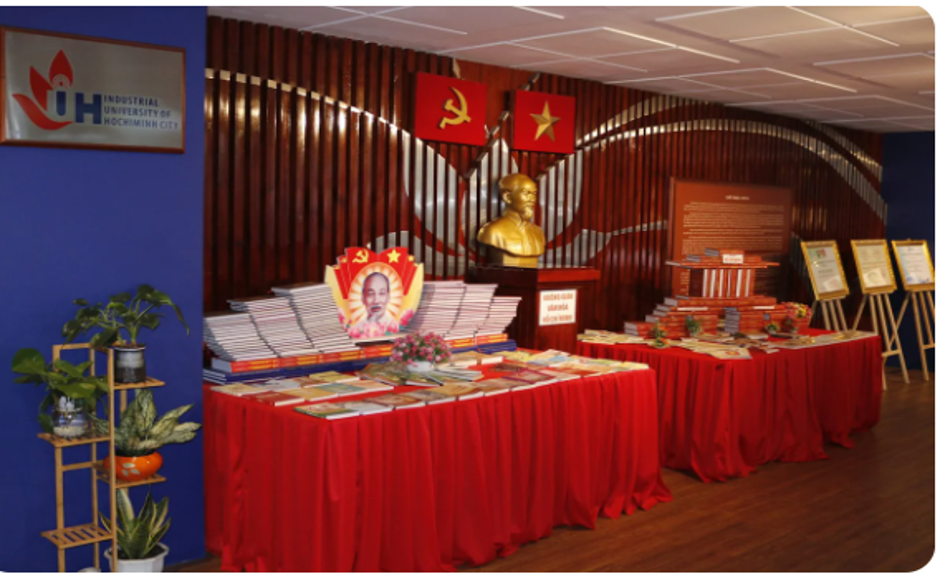
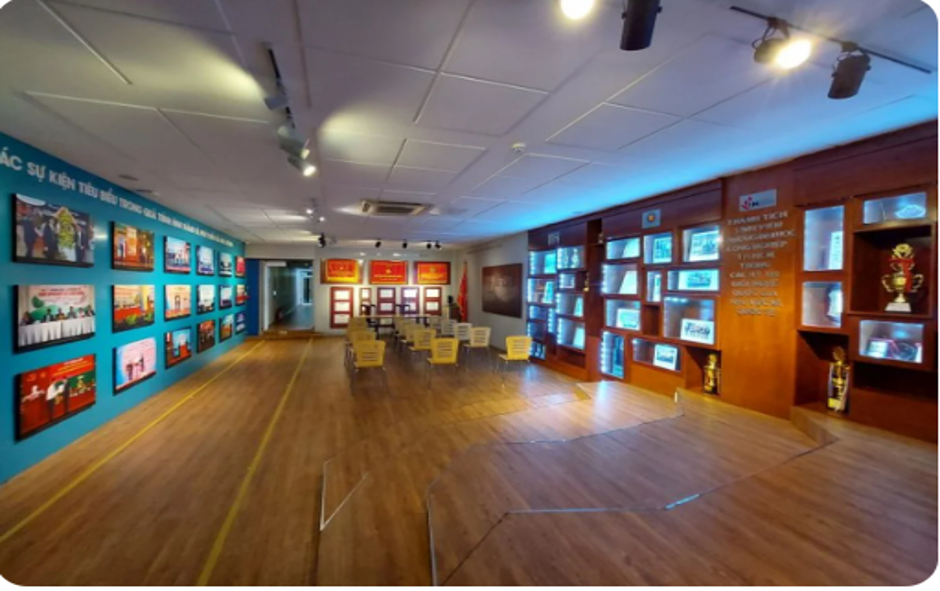
IUH maintains a Traditional Exhibition Room as a dedicated space for preserving and displaying photographs, documents and artifacts associated with the University’s establishment and development.
The exhibition introduces visitors to the University’s historical milestones, educational activities, achievements and institutional traditions.
Historical photographs and archival materials provide visual references to different stages of IUH’s development, while displayed objects and documents contribute to preserving its educational heritage.
The organization of the exhibition supports the systematic presentation of information, enabling visitors to explore the University’s history through physical displays and accompanying explanations.
Information introducing the Traditional Exhibition Room is also available through the IUH Library Centre’s online information portal. This provides an initial channel for external audiences to discover the heritage space before arranging visits.
The combination of physical exhibits and online information contributes to the communication and preservation of institutional history.
For high school students, researchers, educational partners and other visitors, the exhibition can provide opportunities to learn about the University’s traditions and its development as a higher education institution.
By maintaining and introducing its Traditional Exhibition Room, IUH supports cultural heritage preservation, public education and the dissemination of historical knowledge.
Evidence link:
https://lib.iuh.edu.vn/news/detail?id=phong-truyen-thong
Activity 2: Standardizing Visitor Reception Procedures for the Traditional Exhibition Room
Clear visitor reception procedures are important for organizing public access to cultural and historical facilities within a university.
According to IUH’s supporting documentation, on 20 March 2026, the Library Centre issued Procedure No. 01/2026 concerning visitor reception at the Traditional Exhibition Room.
The procedure describes arrangements for welcoming visitors from outside the University, including local community members, high school students, partners and individuals interested in learning about IUH’s history.
Visitors are described as being able to register directly or through the Library Centre’s information portal.
The documented reception process includes visitor registration, guided introductions, guestbook entries, photographic documentation and coordination with relevant security and parking personnel.
These procedures provide an administrative framework for organizing visits and clarifying responsibilities during visitor reception.
The documentation also describes free access to the exhibition space and visitor guidance services. Such arrangements can help reduce practical barriers to cultural participation and support access for different audiences.
Standardizing the reception process contributes to a more consistent approach to welcoming visitors and maintaining records of public engagement.
The coordination of reception, visitor guidance and supporting services also helps the University manage the use of its cultural facilities.
By establishing a formal procedure for the Traditional Exhibition Room, IUH strengthens the organizational foundation for community access to institutional heritage.
However, the procedure was issued in March 2026. Therefore, it should be considered evidence of the arrangements documented from that period, rather than proof that the same formal procedure was in effect during the 2025 reporting year.
Evidence link:
https://lib.iuh.edu.vn/news/detail?id=phong-truyen-thong
Activity 3: Welcoming External Visitors and Documenting Public Access to the Traditional Exhibition Room
Actual visitor reception is an important component of demonstrating that university cultural facilities are accessible to people beyond the institution’s internal academic community.
IUH’s supporting documentation describes reception activities for external visitors, including school delegations, educational partners and members of the public visiting the Traditional Exhibition Room.
During these visits, Library Centre personnel introduce historical photographs, documents, artifacts and other exhibits associated with the University’s institutional development.
The activities also include references to a digital Traditional Room platform, providing a complementary approach to presenting historical information.
According to the dossier, visitors are guided through the exhibition and may record their participation through guestbook entries.
The documentation further describes the use of photographs, signed visitor lists and digital records to maintain evidence of reception activities.
These records provide a potential basis for verifying the participation of external visitors and reviewing how the exhibition space is used.
Guided visits offer opportunities for external audiences to understand the University’s history and engage with its educational and cultural heritage.
The combination of visitor reception and archived records can support institutional accountability by linking public access arrangements with evidence of actual participation.
Such activities also strengthen connections between IUH and educational institutions, researchers and community stakeholders.
For THE reporting purposes, however, the original visitor records, visit dates and the conditions of public access need to be verified before confirming the scale of activity during 2025.
Through visitor engagement and heritage communication, IUH supports broader access to cultural resources and the objectives of SDG 11.
Evidence link:
https://lib.iuh.edu.vn/news/detail?id=phong-truyen-thong
Results and Impact
IUH’s supporting documentation identifies three components relevant to public access to museums and cultural exhibition spaces: the Traditional Exhibition Room, a formal visitor reception procedure and documented reception activities involving external audiences. The exhibition preserves photographs, documents and artifacts associated with the University’s history and educational development. The visitor procedure described in the dossier was issued on 20 March 2026, while the reception activities refer to guided tours, guestbook registration and photographic records. These materials provide a foundation for demonstrating the organization of public access, although original documents and reporting periods require verification.
The initiatives support the preservation and dissemination of institutional heritage while creating opportunities for students, educational partners and members of the community to experience cultural and historical materials. The combination of exhibition facilities, visitor guidance and digital documentation contributes to cultural learning and more systematic heritage management. These activities align with SDG 11 through public access to cultural resources and with SDG 4 through educational visits and knowledge sharing. The extent of free public access and specific results achieved during 2025 should be confirmed through applicable regulations and dated visitor records.
IUH thúc đẩy quyền tiếp cận công cộng đối với di sản văn hóa, lịch sử thông qua Phòng Truyền thống
Bảo tồn và lan tỏa các giá trị văn hóa, lịch sử là một trong những trách nhiệm quan trọng của cơ sở giáo dục đại học đối với cộng đồng. Bên cạnh hoạt động đào tạo và nghiên cứu khoa học, trường đại học còn có thể đóng góp vào sự phát triển xã hội thông qua duy trì không gian trưng bày văn hóa, lưu giữ tư liệu lịch sử và tạo điều kiện để công chúng tìm hiểu truyền thống của cơ sở giáo dục.
Trường Đại học Công nghiệp Thành phố Hồ Chí Minh (IUH), thông qua Trung tâm Thư viện, thực hiện các hoạt động bảo tồn và giới thiệu truyền thống Nhà trường tại Phòng Truyền thống. Đây là không gian trưng bày các tư liệu lịch sử, hình ảnh và thành tựu giáo dục của IUH. Hồ sơ minh chứng đồng thời đề cập đến quy trình tiếp đón khách tham quan và những hoạt động phục vụ học sinh, giảng viên, nhà nghiên cứu, đối tác và cộng đồng ngoài Trường.
Những hoạt động này góp phần thực hiện Mục tiêu phát triển bền vững số 11 (SDG 11) – Thành phố và cộng đồng bền vững, thông qua hỗ trợ tiếp cận các tài nguyên văn hóa, bảo tồn di sản giáo dục và tăng cường sự gắn kết với cộng đồng. Đồng thời, hoạt động có đóng góp bổ trợ đối với SDG 4 – Giáo dục có chất lượng thông qua tham quan, tìm hiểu lịch sử và mở rộng cơ hội học tập ngoài lớp học.
Hoạt động 1: Bảo tồn và giới thiệu di sản lịch sử thông qua Phòng Truyền thống IUH
Việc lưu giữ và giới thiệu các tư liệu lịch sử tạo cơ hội để cộng đồng tìm hiểu quá trình hình thành, phát triển và những đóng góp của cơ sở giáo dục đại học đối với xã hội.
IUH duy trì Phòng Truyền thống như một không gian chuyên biệt để lưu giữ, trưng bày hình ảnh, tài liệu và hiện vật gắn với quá trình hình thành, phát triển của Nhà trường.
Không gian trưng bày giới thiệu các dấu mốc lịch sử, hoạt động giáo dục, thành tựu và những giá trị truyền thống được IUH hình thành qua các giai đoạn phát triển.
Hình ảnh lịch sử và tài liệu lưu trữ cung cấp thông tin trực quan về quá trình phát triển của Nhà trường, trong khi các hiện vật, tư liệu trưng bày góp phần lưu giữ những giá trị về lịch sử giáo dục.
Việc tổ chức nội dung trưng bày tạo điều kiện để người tham quan tiếp cận thông tin có hệ thống, tìm hiểu những dấu mốc quan trọng thông qua hình ảnh và tài liệu trực tiếp.
Thông tin giới thiệu Phòng Truyền thống còn được cung cấp trên Cổng thông tin Trung tâm Thư viện IUH, tạo thêm kênh để các đối tượng ngoài Trường tìm hiểu không gian văn hóa trước khi tham quan.
Sự kết hợp giữa không gian trưng bày trực tiếp và thông tin trực tuyến hỗ trợ hoạt động lưu trữ, truyền tải các giá trị lịch sử của Nhà trường.
Đối với học sinh THPT, nhà nghiên cứu, đối tác giáo dục và khách tham quan, Phòng Truyền thống là nơi có thể tìm hiểu truyền thống và những thành tựu của IUH trong quá trình phát triển.
Thông qua việc duy trì và giới thiệu Phòng Truyền thống, IUH góp phần bảo tồn di sản văn hóa giáo dục, nâng cao nhận thức lịch sử và chia sẻ tri thức với cộng đồng.
Nguồn minh chứng:
https://lib.iuh.edu.vn/news/detail?id=phong-truyen-thong
Hoạt động 2: Chuẩn hóa quy trình đón tiếp khách tham quan Phòng Truyền thống
Quy trình tiếp đón khách tham quan là cơ sở quan trọng nhằm tổ chức hoạt động tiếp cận các không gian văn hóa, lịch sử một cách thống nhất, thuận tiện và có trách nhiệm.
Theo tài liệu tổng hợp, ngày 20/03/2026, Trung tâm Thư viện IUH ban hành Quy trình số 01/2026 về công tác đón tiếp khách tham quan Phòng Truyền thống.
Quy trình mô tả việc phục vụ các nhóm khách ngoài Trường, bao gồm người dân địa phương, học sinh, đối tác và những cá nhân quan tâm đến lịch sử, truyền thống của IUH.
Khách tham quan có thể thực hiện đăng ký trực tiếp hoặc thông qua Cổng thông tin Trung tâm Thư viện theo hướng dẫn.
Nội dung quy trình đề cập đến việc tiếp nhận thông tin khách, tổ chức hướng dẫn tham quan, ghi sổ lưu niệm, chụp ảnh minh chứng và phối hợp với những bộ phận liên quan trong công tác an ninh, bãi xe.
Các nội dung này tạo cơ sở hành chính để tổ chức hoạt động tiếp đón và xác định trách nhiệm của những bộ phận tham gia.
Hồ sơ đồng thời mô tả việc khách ngoài Trường được tiếp cận miễn phí không gian trưng bày và các dịch vụ hướng dẫn tham quan. Cơ chế này có ý nghĩa trong việc hạn chế những rào cản tiếp cận và khuyến khích sự tham gia của công chúng.
Việc chuẩn hóa quy trình còn góp phần thống nhất hoạt động phục vụ, theo dõi và lưu trữ hồ sơ khách tham quan.
Sự phối hợp giữa bộ phận tiếp đón, hướng dẫn và những dịch vụ hỗ trợ tạo điều kiện để Nhà trường quản lý hoạt động sử dụng không gian văn hóa phù hợp.
Thông qua việc ban hành quy trình, IUH củng cố cơ chế tổ chức phục vụ cộng đồng và mở rộng khả năng tiếp cận các giá trị lịch sử, văn hóa giáo dục.
Tuy nhiên, do quy trình được ban hành trong tháng 3/2026, đây là minh chứng về cơ chế tiếp đón được ghi nhận từ năm 2026, chưa đủ căn cứ khẳng định văn bản tương ứng đã có hiệu lực trong năm dữ liệu 2025.
Nguồn minh chứng:
https://lib.iuh.edu.vn/news/detail?id=phong-truyen-thong
Hoạt động 3: Tổ chức tiếp đón khách tham quan và lưu trữ minh chứng tiếp cận công cộng
Hoạt động tiếp đón khách tham quan thực tế giữ vai trò quan trọng trong việc chứng minh các không gian văn hóa, lịch sử của trường đại học không chỉ phục vụ nội bộ mà còn có thể được tiếp cận bởi những đối tượng bên ngoài.
Theo hồ sơ tổng hợp, IUH tổ chức tiếp đón các đoàn khách, học sinh, đối tác và thành viên cộng đồng đến tham quan Phòng Truyền thống.
Trong quá trình tham quan, nhân sự Trung tâm Thư viện giới thiệu những hình ảnh, tư liệu, hiện vật và nội dung về truyền thống, lịch sử phát triển của Nhà trường.
Hoạt động còn đề cập đến việc kết hợp giới thiệu trực tiếp với nền tảng Phòng Truyền thống số hóa, hỗ trợ trình bày những thông tin lịch sử.
Khách được hướng dẫn tham quan và ghi thông tin vào sổ lưu niệm theo quy trình tiếp đón.
Tài liệu cũng mô tả hoạt động lưu trữ hình ảnh, danh sách ký nhận và hồ sơ điện tử nhằm ghi nhận sự tham gia của khách tham quan.
Những hồ sơ này có thể là cơ sở để xác minh số lượt khách ngoài Trường và đánh giá hoạt động khai thác không gian văn hóa.
Thông qua hoạt động thuyết minh, người tham quan có cơ hội tìm hiểu những dấu mốc lịch sử, thành tựu giáo dục và các giá trị truyền thống của IUH.
Việc kết hợp giữa hướng dẫn tham quan và lưu trữ hồ sơ hỗ trợ Nhà trường tổ chức dịch vụ phục vụ công chúng theo hướng có hệ thống.
Hoạt động còn góp phần tăng cường kết nối giữa IUH với các cơ sở giáo dục, nhà nghiên cứu, đối tác và cộng đồng địa phương.
Tuy nhiên, cần đối chiếu hồ sơ gốc để xác minh ngày tham quan, số lượng khách ngoài Trường và các điều kiện tiếp cận trước khi xác định kết quả của năm 2025.
Thông qua công tác tiếp đón khách tham quan, IUH hỗ trợ phổ biến các giá trị văn hóa, lịch sử giáo dục đến cộng đồng và thúc đẩy mục tiêu phát triển bền vững theo định hướng SDG 11.
Nguồn minh chứng:
https://lib.iuh.edu.vn/news/detail?id=phong-truyen-thong
Kết quả và tác động
Hồ sơ của IUH xác định ba thành phần hỗ trợ quyền tiếp cận công cộng đối với không gian văn hóa, lịch sử, gồm Phòng Truyền thống, quy trình tiếp đón và hoạt động phục vụ khách tham quan. Phòng Truyền thống lưu giữ, giới thiệu hình ảnh, tư liệu và hiện vật về quá trình phát triển của Nhà trường. Quy trình tiếp đón được tài liệu ghi nhận ban hành ngày 20/03/2026, trong khi hoạt động phục vụ khách bao gồm hướng dẫn tham quan, ghi sổ lưu niệm và lưu trữ hình ảnh. Những nội dung này tạo cơ sở chứng minh năng lực tổ chức hoạt động văn hóa và tiếp cận công cộng, đồng thời cần kiểm tra tài liệu gốc và thời gian thực hiện để xác định kết quả cụ thể trong năm 2025.
Việc tổ chức không gian trưng bày góp phần bảo tồn và phổ biến những giá trị lịch sử giáo dục của IUH đến học sinh, nhà nghiên cứu, đối tác và cộng đồng. Hoạt động hướng dẫn tham quan giúp người ngoài Trường có cơ hội tiếp cận nguồn tư liệu lịch sử, trong khi quy trình tiếp đón và hồ sơ điện tử hỗ trợ công tác quản lý, lưu trữ minh chứng. Các hoạt động phù hợp với SDG 11 thông qua tăng cường khả năng tiếp cận tài nguyên văn hóa và di sản giáo dục, đồng thời góp phần thực hiện SDG 4 qua việc mở rộng cơ hội học tập, tìm hiểu lịch sử và chia sẻ tri thức.


