
1. Core Commitment and Institutional Direction
Industrial University of Ho Chi Minh City (IUH) integrates responsible energy use and environmental management into its development priorities. Its Green Campus direction connects infrastructure management with the quality of the learning and working environment, supported by institutional indicators on electricity consumption, water conservation and 5S practices.
The University’s strategic KPI framework for 2025–2035 includes the following areas:
| KPI Code | Strategic Area / Performance Indicator |
|---|---|
| 3.1 | Improve vibrant student life |
| 3.1.2 | Building a Green Campus |
| 3.1.2.1 | Number of offices assessed under the 5S framework |
| 3.1.2.2 | Percentage reduction in electricity consumption |
| 3.1.2.3 | Percentage reduction in water consumption |
These indicators provide a framework for monitoring resource use and identifying operational improvements. Electricity consumption, total energy use and greenhouse gas emissions are tracked as distinct measures, with their respective units and calculation methods.
2. Rooftop Solar Infrastructure and Practical Learning
IUH has operated rooftop solar photovoltaic systems since 2022. The University reports a combined installed capacity of 75 kW, comprising systems identified as 10 kW and 65 kW, associated with Buildings B and V.
The installations provide supplementary renewable electricity for campus activities and support practical education in electrical engineering and related disciplines. Students can observe photovoltaic generation, inverter operation and energy conversion, connecting theoretical learning with functioning technical systems.
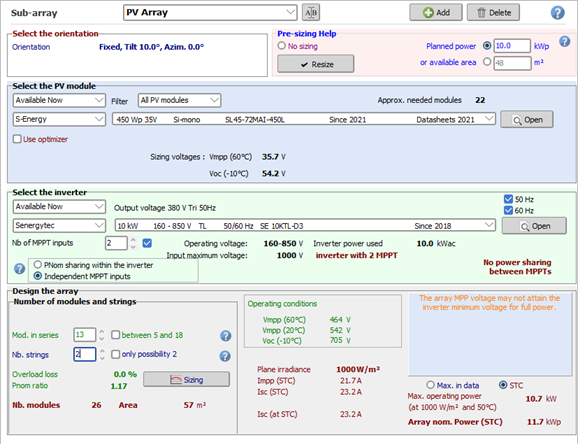
System Details & Output: 10 kW System: 24 panels (450W) with a 10 kW inverter, serving laboratories and offices; generates an average of 1,400 kWh per month.
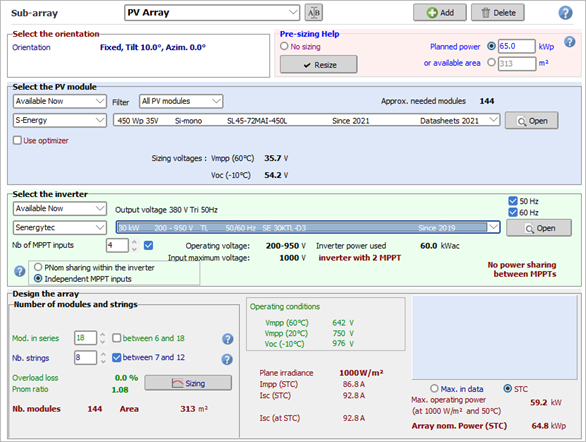
65 kW System: 144 panels (450W) with two 30 kW inverters, located on Buildings B and V, powering lecture halls and administrative blocks.
Operational Impact:
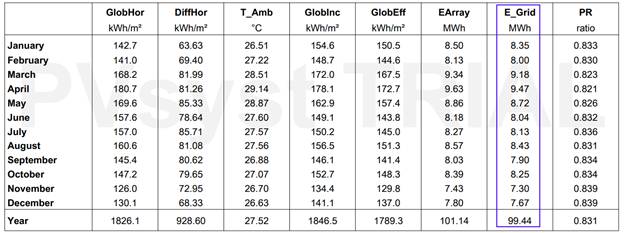
In Ho Chi Minh City’s high-radiation area (5.5 peak sun hours), the 65 kW system produces 357.5 kWh per day, totaling approximately 130,000 kWh annually.
The clean energy reduces IUH’s reliance on the national grid and supports V5.1 Electrical Practical Labs and theoretical classrooms.
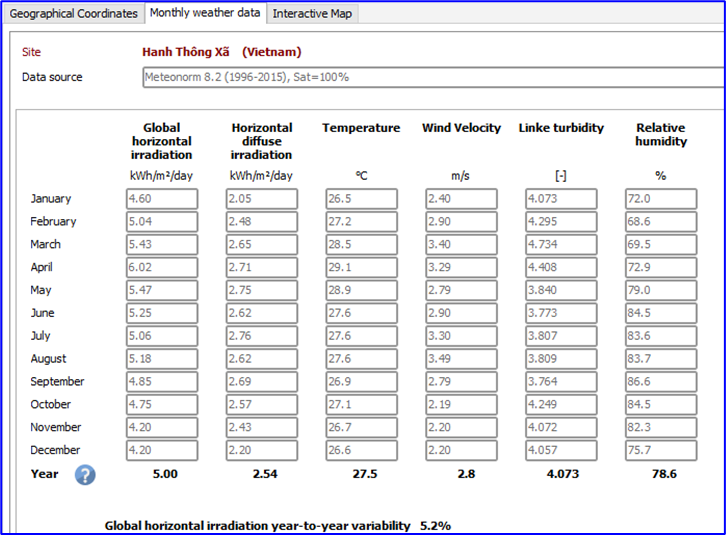
Figure 1. Rooftop solar photovoltaic installations at IUH.
Solar generation records provide a basis for assessing actual output and the contribution of on-site renewable electricity. Installed capacity, measured in kW, is reported separately from electricity generated, measured in kWh, and energy converted to GJ.
The reported low-carbon energy total follows the source composition and accounting boundary of the institutional energy dataset. This figure should not be presented as electricity generated entirely by the rooftop solar installations.
3. Updated Energy Performance: 2024 and 2025
The updated institutional dataset records 40,679 GJ of total energy use in 2025, including 37,759 GJ from low-carbon sources. The reported low-carbon share is 92.82%.
| Indicator | 2024 | 2025 |
|---|---|---|
| Total energy used | 43,200 GJ | 40,679 GJ |
| Energy from low-carbon sources | 38,687 GJ | 37,759 GJ |
| Low-carbon share of total energy | 89.55% | 92.82% |
Reported total energy use decreased by 2,521 GJ, equivalent to approximately 5.84%. The reported low-carbon share increased by 3.27 percentage points, although the absolute volume of low-carbon energy decreased by 928 GJ.
These figures describe changes in the reported energy dataset. Interpretation of the year-to-year change requires consistent reporting boundaries, source classifications and conversion methods. An increase in the low-carbon share does not, by itself, establish an increase in solar generation or a quantified reduction in greenhouse gas emissions.
4. Energy Use Density and Infrastructure Management
For 2025, IUH reports 215,936 m² of university floor space. Using the updated total energy figure, energy use density is calculated as follows:
40,679 GJ ÷ 215,936 m² = approximately 0.1884 GJ/m²/year.
This indicator provides a reference for monitoring energy demand relative to the scale of campus infrastructure. Building-level electricity records and information on occupancy, equipment and operating hours can support more detailed assessment of performance.
IUH’s reported efficiency measures include LED lighting, the use of inverter air-conditioning equipment and maintenance of electrical and cooling systems. Energy audit recommendations provide further technical input for identifying equipment replacement and operational improvement priorities.
5. Environmental Monitoring and Carbon Management
IUH connects resource management with monitoring of the learning and working environment. Environmental monitoring records can inform facilities management, while electricity and fuel records support energy accounting and greenhouse gas inventory preparation.
Indoor carbon dioxide concentration is expressed in parts per million (ppm). Greenhouse gas emissions are expressed in tonnes of carbon dioxide equivalent (tCO₂e). These measures serve different purposes and are reported separately.
A quantified emissions comparison requires verified activity data, appropriate emission factors and consistent Scope 1 and Scope 2 boundaries. The updated energy figures provide inputs for this assessment, while any claim about emissions avoided or reduced requires a separate calculation.
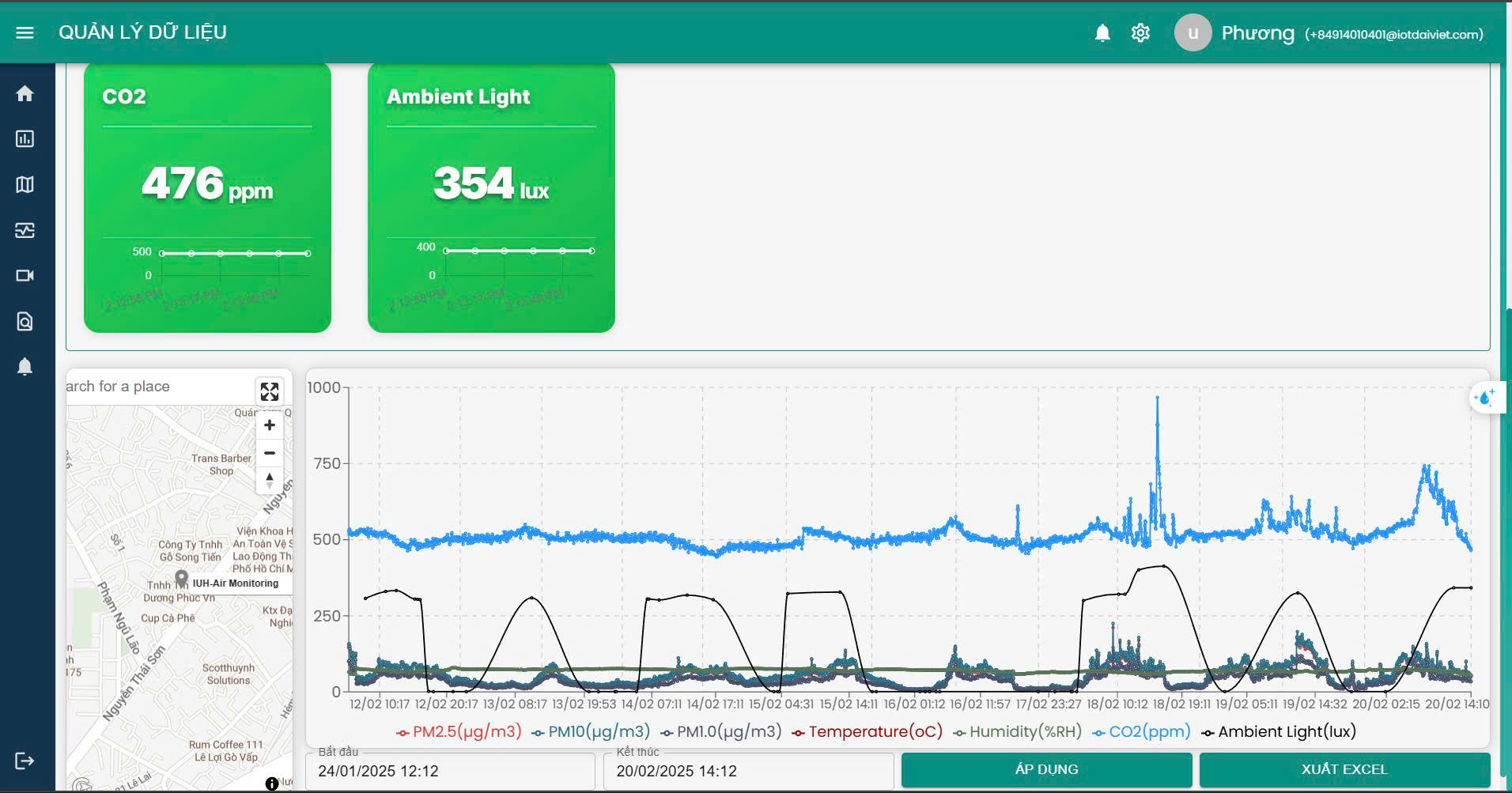
Figure 2. Environmental monitoring and campus facilities management at IUH.
6. Results, Outcomes and Impacts
IUH’s updated 2025 dataset records 40,679 GJ of total energy use, 37,759 GJ from low-carbon sources and a 92.82% low-carbon share. Across 215,936 m² of floor space, reported energy use density is approximately 0.1884 GJ/m²/year. The University also reports 75 kW of installed rooftop solar capacity, providing an operational renewable energy resource and practical learning infrastructure.
For students and staff, energy management supports the reliable operation of classrooms, laboratories and working spaces, while rooftop solar installations offer opportunities to understand renewable energy technology through practical observation. At the institutional level, consistent energy records help identify waste and inform infrastructure investment. Transparent reporting strengthens accountability and provides a measurable foundation for IUH’s contributions to SDG 7: Affordable and Clean Energy and SDG 13: Climate Action.
Báo cáo sử dụng năng lượng bền vững và giám sát môi trường của IUH (2024–2025)
1. Cam kết và định hướng của Nhà trường
Trường Đại học Công nghiệp Thành phố Hồ Chí Minh (IUH) lồng ghép sử dụng năng lượng có trách nhiệm và quản lý môi trường vào các ưu tiên phát triển. Định hướng xây dựng khuôn viên xanh gắn công tác quản lý cơ sở vật chất với chất lượng môi trường học tập, làm việc, thông qua các chỉ số về tiêu thụ điện, tiết kiệm nước và thực hành 5S.
Khung KPI chiến lược giai đoạn 2025–2035 của Nhà trường bao gồm các nội dung sau:
| Mã KPI | Định hướng / Chỉ số thực hiện |
|---|---|
| 3.1 | Cải thiện trải nghiệm cuộc sống sinh viên sôi động |
| 3.1.2 | Xây dựng khuôn viên xanh |
| 3.1.2.1 | Số lượng văn phòng được đánh giá theo khung 5S |
| 3.1.2.2 | Tỷ lệ giảm tiêu thụ điện |
| 3.1.2.3 | Tỷ lệ giảm tiêu thụ nước |
Các chỉ số này tạo cơ sở theo dõi việc sử dụng tài nguyên và xác định nội dung cần cải tiến trong vận hành. Điện năng tiêu thụ, tổng năng lượng sử dụng và phát thải khí nhà kính được theo dõi bằng các chỉ tiêu riêng, với đơn vị và phương pháp tính tương ứng.
2. Hạ tầng điện mặt trời áp mái và học tập thực hành
IUH đã vận hành các hệ thống điện mặt trời áp mái từ năm 2022. Theo thông tin Nhà trường công bố, tổng công suất lắp đặt đạt 75 kW, gồm các hệ thống được xác định ở mức 10 kW và 65 kW, gắn với các tòa nhà B và V.
Các hệ thống bổ sung nguồn điện tái tạo phục vụ hoạt động trong khuôn viên, đồng thời hỗ trợ đào tạo thực hành ngành kỹ thuật điện và các lĩnh vực liên quan. Sinh viên có thể quan sát quá trình phát điện quang điện, hoạt động của bộ biến tần và chuyển đổi năng lượng, qua đó kết nối kiến thức lý thuyết với hệ thống kỹ thuật đang vận hành.
System Details & Output: 10 kW System: 24 panels (450W) with a 10 kW inverter, serving laboratories and offices; generates an average of 1,400 kWh per month.
65 kW System: 144 panels (450W) with two 30 kW inverters, located on Buildings B and V, powering lecture halls and administrative blocks.
Operational Impact:
In Ho Chi Minh City’s high-radiation area (5.5 peak sun hours), the 65 kW system produces 357.5 kWh per day, totaling approximately 130,000 kWh annually.
The clean energy reduces IUH’s reliance on the national grid and supports V5.1 Electrical Practical Labs and theoretical classrooms.
Hình 1. Hệ thống điện mặt trời áp mái tại IUH.
Dữ liệu vận hành điện mặt trời cung cấp cơ sở đánh giá sản lượng thực tế và đóng góp của nguồn điện tái tạo tại chỗ. Công suất lắp đặt, tính bằng kW, được trình bày riêng với sản lượng điện, tính bằng kWh, và năng lượng quy đổi sang GJ.
Tổng năng lượng carbon thấp được xác định theo cơ cấu nguồn và phạm vi hạch toán của bộ dữ liệu năng lượng toàn Trường. Không diễn giải toàn bộ giá trị này là sản lượng điện được tạo ra từ các hệ thống điện mặt trời áp mái.
3. Cập nhật kết quả sử dụng năng lượng năm 2024 và 2025
Theo bộ dữ liệu cập nhật của Nhà trường, tổng năng lượng sử dụng năm 2025 đạt 40.679 GJ, trong đó năng lượng từ các nguồn carbon thấp đạt 37.759 GJ, tương ứng tỷ trọng 92,82%.
| Chỉ tiêu | Năm 2024 | Năm 2025 |
|---|---|---|
| Tổng năng lượng sử dụng | 43.200 GJ | 40.679 GJ |
| Năng lượng từ các nguồn carbon thấp | 38.687 GJ | 37.759 GJ |
| Tỷ trọng năng lượng carbon thấp | 89,55% | 92,82% |
Tổng năng lượng sử dụng được báo cáo giảm 2.521 GJ, tương đương khoảng 5,84%. Tỷ trọng năng lượng carbon thấp tăng 3,27 điểm phần trăm, trong khi giá trị tuyệt đối của năng lượng carbon thấp giảm 928 GJ.
Các số liệu thể hiện sự thay đổi trong bộ dữ liệu năng lượng được báo cáo. Việc diễn giải biến động giữa hai năm cần bảo đảm thống nhất phạm vi thống kê, phân loại nguồn và phương pháp quy đổi. Tỷ trọng năng lượng carbon thấp tăng không đồng nghĩa với việc sản lượng điện mặt trời tăng hoặc tự động chứng minh một mức giảm phát thải khí nhà kính cụ thể.
4. Mật độ sử dụng năng lượng và quản lý cơ sở vật chất
Năm 2025, IUH báo cáo tổng diện tích sàn công trình là 215.936 m². Trên cơ sở tổng năng lượng đã cập nhật, mật độ sử dụng năng lượng được tính như sau:
40.679 GJ ÷ 215.936 m² = khoảng 0,1884 GJ/m²/năm.
Chỉ số này cung cấp cơ sở theo dõi nhu cầu năng lượng tương ứng với quy mô cơ sở vật chất của Nhà trường. Dữ liệu điện năng theo từng tòa nhà, kết hợp thông tin về mức độ sử dụng, thiết bị và thời gian vận hành, hỗ trợ đánh giá hiệu quả chi tiết hơn.
Các giải pháp sử dụng năng lượng hiệu quả được IUH báo cáo bao gồm chiếu sáng LED, sử dụng thiết bị điều hòa công nghệ Inverter và bảo trì hệ thống điện, làm mát. Khuyến nghị từ kiểm toán năng lượng cung cấp thêm căn cứ kỹ thuật để xác định thứ tự ưu tiên thay thế thiết bị và cải tiến vận hành.
5. Giám sát môi trường và quản lý carbon
IUH gắn quản lý tài nguyên với theo dõi điều kiện môi trường học tập và làm việc. Dữ liệu giám sát môi trường hỗ trợ công tác quản lý cơ sở vật chất, trong khi hồ sơ điện năng và nhiên liệu phục vụ hạch toán năng lượng và lập kiểm kê khí nhà kính.
Nồng độ carbon dioxide trong không khí trong nhà được biểu thị bằng phần triệu (ppm). Phát thải khí nhà kính được biểu thị bằng tấn carbon dioxide tương đương (tCO₂e). Hai chỉ tiêu phục vụ các mục đích khác nhau và được trình bày riêng.
Việc so sánh phát thải định lượng cần dựa trên dữ liệu hoạt động đã kiểm chứng, hệ số phát thải phù hợp và phạm vi kiểm kê Scope 1, Scope 2 thống nhất. Bộ số liệu năng lượng cập nhật cung cấp đầu vào cho đánh giá này; các nhận định về lượng phát thải tránh được hoặc giảm được cần có phép tính riêng.
Hình 2. Hoạt động giám sát môi trường và quản lý cơ sở vật chất tại IUH.
6. Kết quả, lợi ích và tác động
Bộ dữ liệu cập nhật năm 2025 của IUH ghi nhận 40.679 GJ tổng năng lượng sử dụng, 37.759 GJ từ các nguồn carbon thấp và tỷ trọng carbon thấp 92,82%. Với 215.936 m² diện tích sàn, mật độ sử dụng năng lượng đạt khoảng 0,1884 GJ/m²/năm. Nhà trường đồng thời báo cáo 75 kW công suất điện mặt trời áp mái, bổ sung nguồn năng lượng tái tạo và hạ tầng phục vụ học tập thực hành.
Đối với sinh viên và viên chức, quản lý năng lượng hỗ trợ vận hành ổn định các phòng học, phòng thí nghiệm và không gian làm việc; các hệ thống điện mặt trời tạo cơ hội tìm hiểu công nghệ năng lượng tái tạo thông qua quan sát thực tế. Ở cấp độ Nhà trường, dữ liệu năng lượng thống nhất giúp nhận diện lãng phí và hỗ trợ quyết định đầu tư cơ sở vật chất. Công bố minh bạch nâng cao trách nhiệm giải trình, đồng thời tạo nền tảng có thể đo lường cho đóng góp của IUH đối với SDG 7: Năng lượng sạch với giá thành hợp lý và SDG 13: Hành động ứng phó với biến đổi khí hậu.
Core Commitment & Institutional Mission
Industrial University of Ho Chi Minh City (IUH) is dedicated to building a Green Campus and fostering sustainable development. Since 2021, the mission to reduce electricity consumption has been integrated into the university’s annual Key Performance Indicators (KPIs), ensuring a systematic and measurable approach to environmental responsibility.
In addition to its energy initiatives, the Industrial University of Ho Chi Minh City (IUH) has implemented a comprehensive water consumption reduction strategy as part of its broader commitment to sustainable development and green campus operations. The university integrates water-saving targets into its annual Key Performance Indicators (KPIs), ensuring that conservation efforts are monitored and successfully met each year. To achieve this, IUH has installed high-efficiency water-saving equipment across its facilities and laboratories, coupled with digital monitoring to identify and eliminate waste. Furthermore, the school utilizes its IoT-based monitoring systems to maintain environmental quality while optimizing the use of natural resources. These efforts, alongside the school’s transition to renewable energy and efficient equipment, reflect a holistic approach to reducing the university’s overall environmental footprint.
| 3.1 | Improve Vibrant student life Cải thiện các trải nghiệm cuộc sống sinh viên sôi động |
| 3.1.2 | Building Green Campus Xây dựng khuôn viên xanh |
| 3.1.2.1 | Number of offices for various grading of 5S Số lượng văn phòng thực hiện 5S |
| 3.1.2.2 | % reduction in power consumption Giảm tỉ lệ tiêu thụ điện |
| 3.1.2.3 | % reduction in water consumption Giảm tỉ lệ tiêu thụ nước |
Extract from KPIs of 2025 – 2035 of IUH
Since 2022, IUH has utilized rooftop solar systems as a cornerstone of its energy transition strategy. The university operates two distinct systems with a combined capacity of 75 kW, providing both clean energy and educational opportunities.
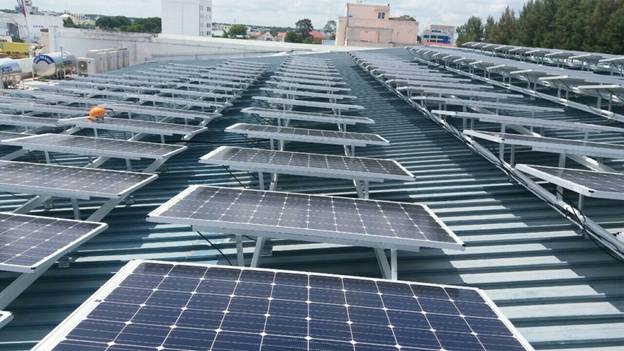
Solar panel on the roof of IUH’s building
System Details & Output: 10 kW System: 24 panels (450W) with a 10 kW inverter, serving laboratories and offices; generates an average of 1,400 kWh per month.
65 kW System: 144 panels (450W) with two 30 kW inverters, located on Buildings B and V, powering lecture halls and administrative blocks.
Operational Impact:
In Ho Chi Minh City’s high-radiation area (5.5 peak sun hours), the 65 kW system produces 357.5 kWh per day, totaling approximately 130,000 kWh annually.
The clean energy reduces IUH’s reliance on the national grid and supports V5.1 Electrical Practical Labs and theoretical classrooms.
Monthly solar energy generation report
Educational Integration:
These solar systems provide students with hands-on research opportunities in renewable energy technology, highlighting IUH’s role as a green pioneer.
Comparative Electricity Consumption: 2024 vs. 2025
In 2025, total electricity consumption was 6.5 million kWh, compared to 6.1 million kWh in 2024. While there is a nominal increase, this reflects a high level of efficiency considering the expansion and operation of a new facility in Ho Chi Minh City during 2025.
| Quarter | 2024 (Baseline) | 2025 (With New Facility) | Observations |
| Q1 | 1.35M | 1.45M | Stable start-up phase for the new facility. |
| Q2 | 1.55M | 1.65M | Managed increase despite peak summer cooling needs. |
| Q3 | 1.75M | 1.85M | Peak seasonal demand offset by solar output. |
| Q4 | 1.45M | 1.55M | Stabilized usage across all campuses. |
| Total | 6.1M | 6.5M | Managed Growth (+6.5%) |
Table: Quarterly Consumption Breakdown (Million kWh)
Carbon reduction on the campus
The year 2024 serves as the institutional baseline for the Industrial University of Ho Chi Minh City’s (IUH) greenhouse gas (GHG) management framework, established in accordance with ISO 14064-1 standards. Managing a substantial urban campus with a total building floor area of approximately 186,408 m^2, the university recorded an initial electricity consumption of 6.5 million kWh. Because on-site fossil fuel combustion and internal transportation emissions are negligible, the carbon footprint is almost entirely driven by Scope 2 emissions from purchased electricity, totaling an estimated 4,700 tCO2e.
To directly mitigate this environmental impact, IUH has invested in on-campus rooftop solar photovoltaic (PV) systems with a total capacity of 75 kW, consisting of a 10 kW and a 65 kW system. These installations generate approximately 116,000 to 130,000 kWh of renewable electricity per year, effectively offsetting 80–85 tCO2 annually. Beyond carbon reduction, these solar grids function as a “living laboratory,” providing students with hands-on research and training opportunities in renewable energy and sustainable engineering.
3. Measurable Reductions and Smart Management (2025)
By 2025, IUH successfully reduced its total electricity consumption to 6.1 million kWh through solar generation, optimized operating schedules, and the deployment of IoT-based environmental monitoring. This progress represents a reduction to 4,410 tCO2e, a decrease of approximately 290 tCO2 (or 6.2%) compared to the 2024 baseline. Throughout this reduction, real-time monitoring ensured indoor tCO2e levels remained within a healthy range of 480–550 ppm, demonstrating that IUH can achieve significant energy efficiency while maintaining superior indoor air quality for the campus community.
Environmental monitoring data at the Industrial University of Ho Chi Minh City (IUH)
In biref, by integrating energy management into its annual Key Performance Indicators (KPIs) since 2021, Industrial University of Ho Chi Minh City (IUH) has successfully transitioned its 186,408 m² urban campus into a model of sustainability. The university utilizes a 75 kW rooftop solar PV system that generates approximately 116,000 to 130,000 kWh of renewable electricity annually, directly offsetting grid reliance and serving as a “living laboratory” for sustainable engineering. Following its 2024 baseline of 6.5 million kWh (4,700 tCO2e), IUH leveraged hardware modernization and IoT monitoring maintaining healthy indoor CO2levels between 480–550 ppm to reduce 2025 consumption to 6.1 million kWh, achieving a 290 tCO2e (6.2%) reduction in carbon emissions. This progress is complemented by a holistic water conservation strategy that uses digital monitoring and high-efficiency equipment to minimize the university’s total environmental footprint.


