
The Industrial University of Ho Chi Minh City (IUH) demonstrates a firm commitment to sustainable development and low-carbon operations by maintaining a strict policy of not investing in companies or sectors associated with high-carbon industries, such as coal and oil. The University also does not offer academic programs or research activities that support carbon-intensive industries, ensuring its educational and operational activities align with environmental sustainability.
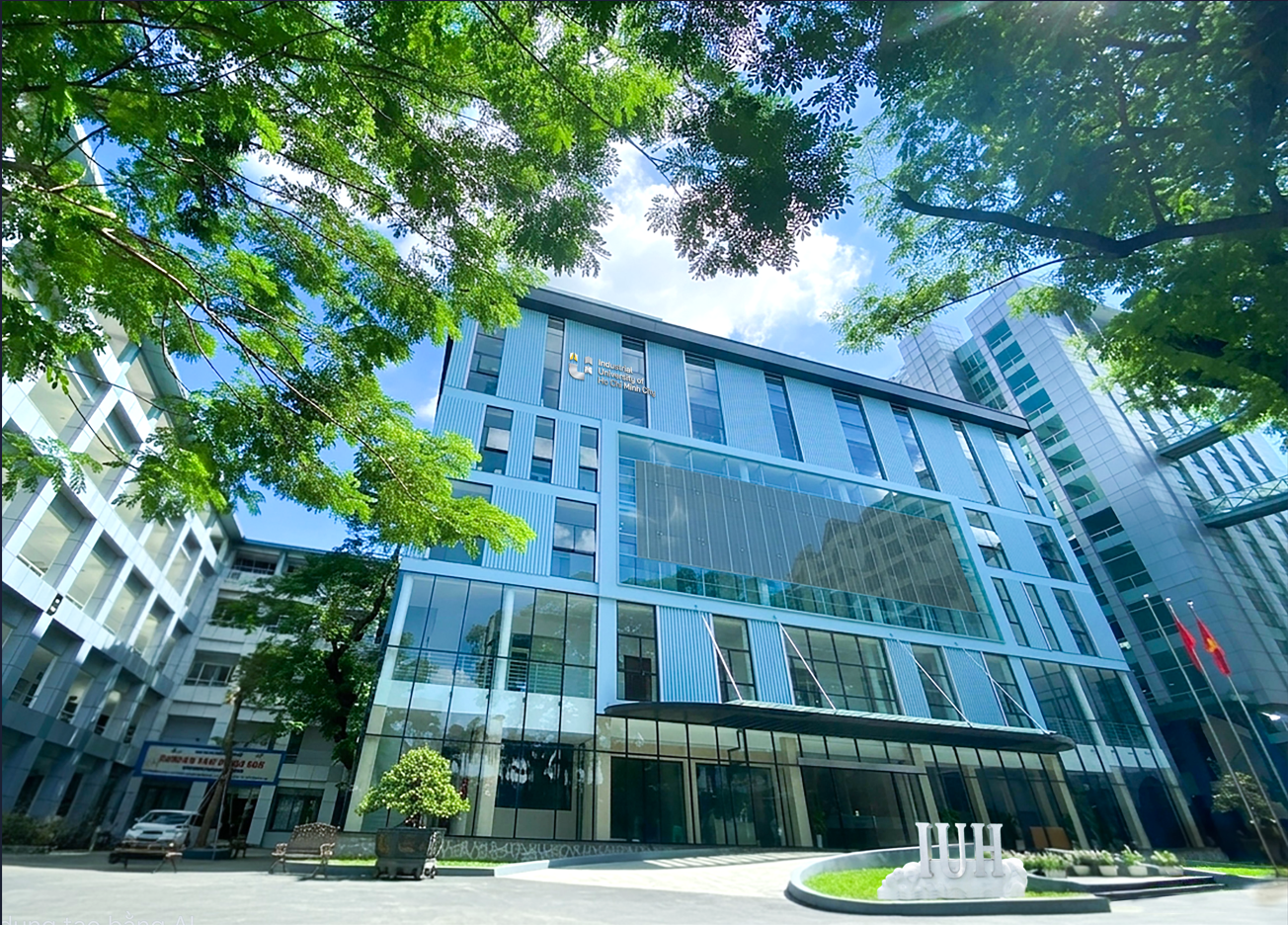

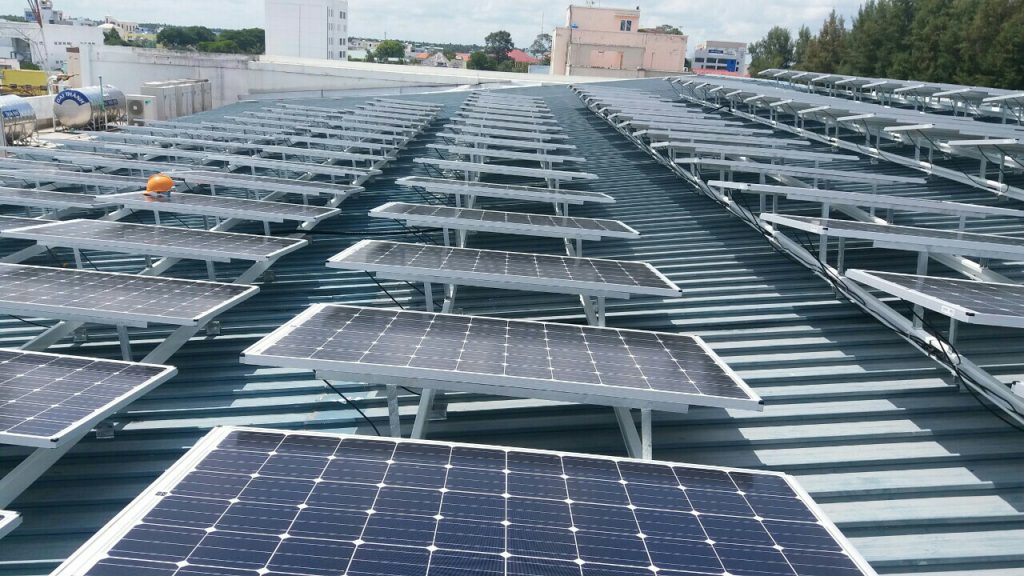
All energy consumed across IUH’s campuses comes from renewable and clean sources. Notably, solar power systems installed on the rooftops of Buildings B and V provide energy for teaching facilities, including practical classrooms in Building B and theoretical classrooms in Building V. These renewable installations, combined with energy efficiency initiatives such as LED lighting, motion sensors, and smart building management, significantly reduce reliance on fossil fuels and prevent greenhouse gas emissions.
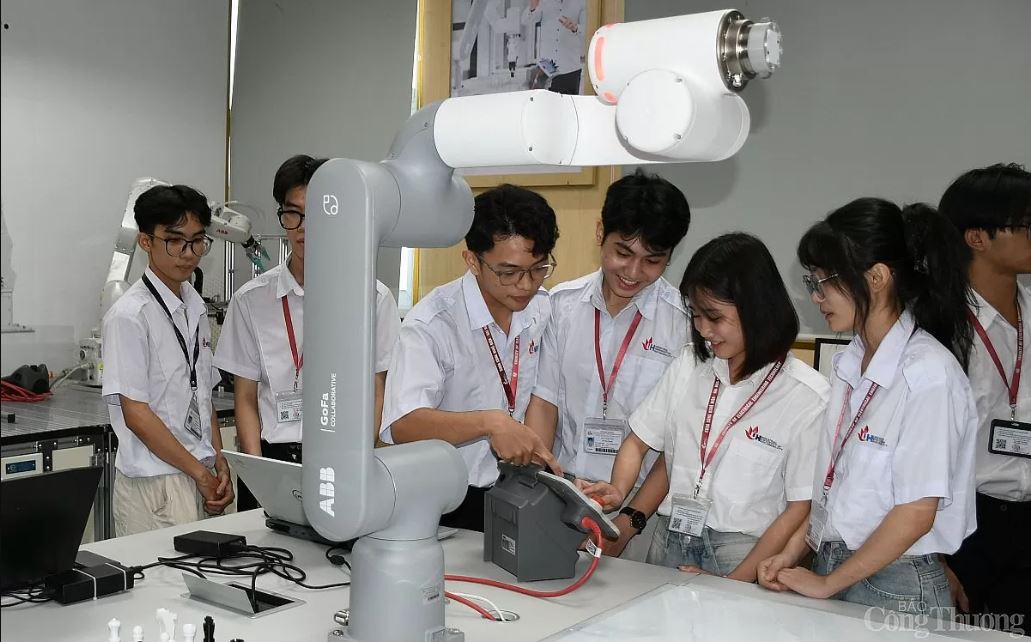
Through these measures, IUH not only supports SDG 7 – Affordable and Clean Energy – but also sets a benchmark for environmental responsibility in higher education. The University’s policies, infrastructure, and educational practices collectively reinforce its dedication to a low-carbon future, promoting sustainable energy use while preparing students to contribute responsibly to global climate goals.
According to the university’s sustainability data, IUH achieved a very high proportion of renewable and low-carbon energy usage in 2025.
| Indicator | Value |
|---|---|
| Total energy consumption | 43,200 GJ |
| Energy from low-carbon sources | 38,687 GJ |
| Non-renewable energy consumption | 4,513 GJ |
| Renewable / low-carbon energy ratio | 89.55% |
| Estimated annual carbon footprint | 905,233 kg CO₂/year |
The renewable energy ratio is calculated as follows:
Renewable Energy %=(43,200/38,687)×100=89.55%
To estimate the university’s carbon footprint, only the non-renewable energy portion was considered:
43,200−38,687=4,513 GJ
Using the standard conversion factor:
1 GJ=277.78 kWh
The non-renewable energy consumption is equivalent to:
4,513/0.0036≈1,253,611 kWh
Applying the Vietnam national grid emission factor of 0.7221 kg CO₂/kWh:
1,253,611×0.7221≈905,233 kg CO2/year
These figures demonstrate IUH’s strong reliance on renewable and low-carbon energy sources and reflect the University’s commitment to SDG 7 (Affordable and Clean Energy) and SDG 13 (Climate Action). Through sustainable campus operations and environmentally responsible policies, IUH continues to contribute to reducing carbon emissions and promoting a greener future for higher education.


