
Preserving cultural heritage involves maintaining historical records, documenting shared traditions and transmitting knowledge and cultural values to future generations. Higher education institutions can contribute to this process by organizing historical collections, developing digital archives and creating opportunities for students and members of the community to learn about institutional traditions.
Industrial University of Ho Chi Minh City (IUH), through its Library Centre and Traditional Exhibition Room, supports the preservation and communication of historical materials associated with the University’s development. Its supporting documentation identifies arrangements for recording and archiving institutional information, as well as visitor reception activities that introduce IUH’s history and educational traditions to external audiences.
These initiatives contribute to the broader objectives of Sustainable Development Goal 11 (SDG 11) – Sustainable Cities and Communities by supporting cultural preservation and access to historical knowledge. They also provide a foundation for future activities specifically focused on documenting and safeguarding intangible cultural heritage.
Activity 1: Developing Procedures for Documenting and Digitising IUH’s Historical Heritage
The systematic documentation and preservation of historical materials are important for maintaining an institution’s collective memory and supporting the transmission of cultural knowledge.
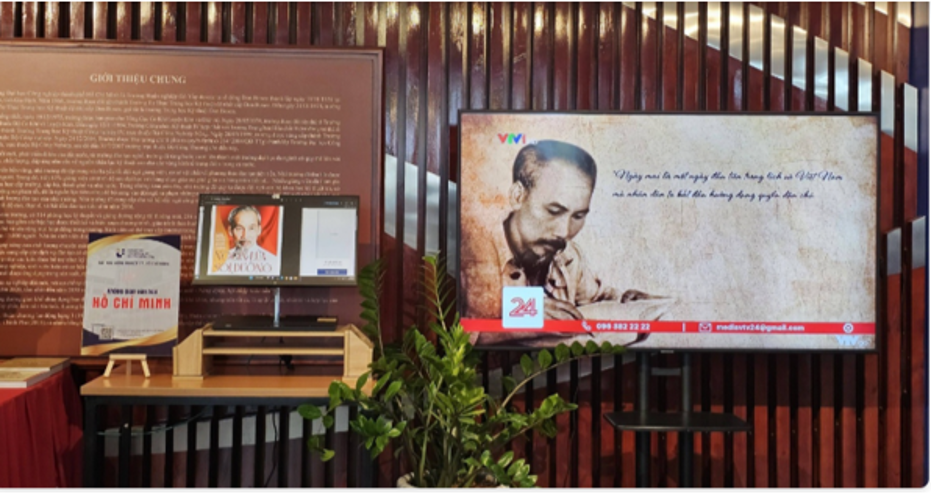
IUH maintains a Traditional Exhibition Room where photographs, documents and artifacts associated with its institutional history are preserved and presented.
According to the supporting documentation, the IUH Library Centre issued Procedure No. 01/2026/QĐ-TV to standardize activities related to historical documentation, recordkeeping and the organization of visitor reception.
The dossier also describes the development of digital resources associated with the Traditional Exhibition Room, including the preservation of photographs, historical documents and records of visits by domestic and international delegations.
These records provide a basis for organizing information relating to IUH’s institutional development and the educational traditions associated with its history.
Digital documentation can help improve the accessibility, organization and long-term management of historical materials.
The combination of physical exhibition facilities and electronic records offers complementary ways of preserving information and introducing institutional heritage to students and external visitors.
Through these arrangements, the Library Centre contributes to the organization of historical information and the continuity of institutional recordkeeping.
The documentation also identifies opportunities for high school students, educational partners and community members to learn about the University’s development through its historical collections.
The preservation of institutional materials provides useful foundations for cultural education and historical knowledge sharing.
However, historical photographs, artifacts and administrative records should be distinguished from intangible cultural heritage, which may include oral traditions, social practices, rituals, performing arts and traditional knowledge.
To demonstrate the safeguarding of intangible heritage specifically, additional documentation is needed to identify the cultural practices being preserved and the methods used to record and transmit them.
The procedure is documented as having been issued in 2026. Therefore, it should not be treated as proof that the same formal requirements were in effect during the 2025 reporting year.
By developing its historical documentation arrangements, IUH supports institutional heritage preservation and the broader cultural sustainability objectives of SDG 11.
Evidence link:
Activity 2: Sharing Institutional History and Educational Traditions through Community Visits
Community access and educational visits provide opportunities for universities to communicate historical knowledge and strengthen connections between institutional traditions and wider society.
According to IUH’s supporting dossier, the Traditional Exhibition Room and Library Centre recorded more than 1,136 visitor entries during the reported 2025–2026 period.
The visiting groups described in the documentation included high school delegations from An Giang, Ben Tre and Dong Thap, as well as experts and international visitors from Japan, South Korea, Thailand, France, Malaysia, Australia, China and Taiwan.
The University also received student groups participating in academic learning activities associated with institutional history and cultural information.
During visits, Library Centre personnel introduced historical photographs, documents and displays relating to IUH’s formation and development.
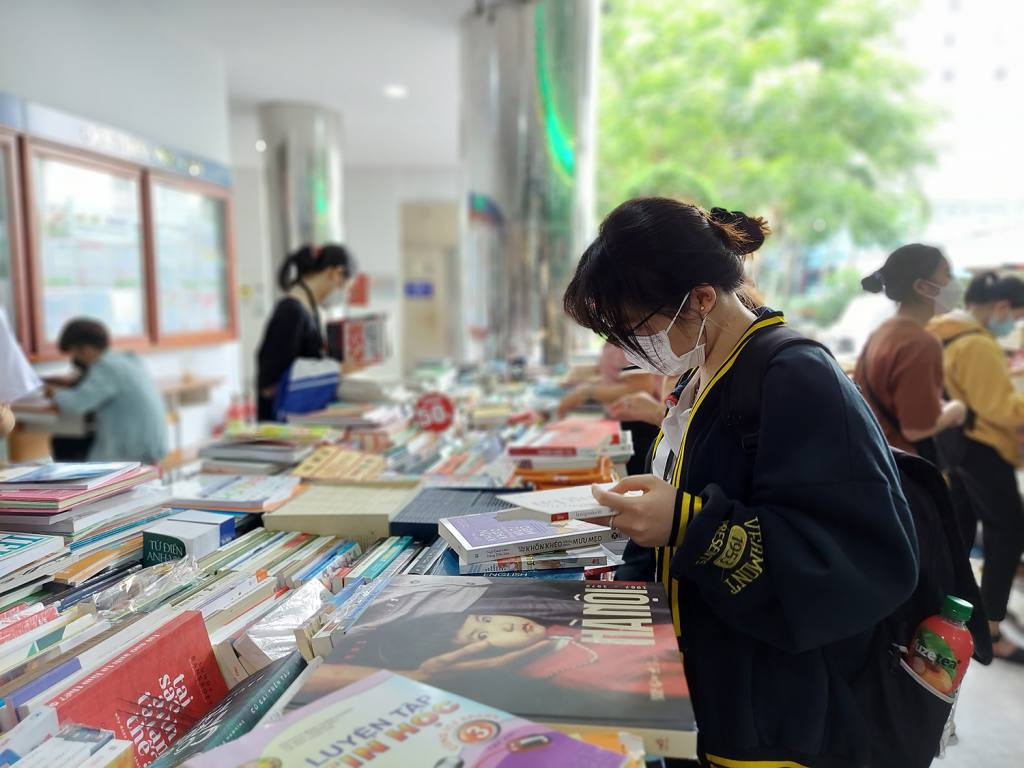
Visitor reception activities included guided explanations, guestbook registration and the preservation of photographs and accompanying records.
These activities provided opportunities for external audiences to become familiar with the University’s educational traditions and historical milestones.
The use of visitor records and archived images contributes to more systematic documentation of cultural and educational engagement.
Guided visits can also support intergenerational knowledge sharing by connecting historical accounts with younger learners and audiences from different educational backgrounds.
The dossier’s reported visitor total provides an initial indication of participation in these activities. However, the original visitor logs are needed to confirm the exact dates, visitor categories and number of visits attributable to 2025.
The supporting source also refers to IUH’s promotion of reading culture in 2026. This is relevant to cultural education and lifelong learning but is distinct from the preservation of a specifically identified intangible heritage practice.
Through visitor engagement and the communication of its institutional traditions, IUH supports cultural learning and public access to historical knowledge.
These activities contribute to the broader objectives of SDG 11 and complement SDG 4 – Quality Education through educational visits and lifelong learning opportunities.
Evidence link:
https://iuh.edu.vn/vi/tin-tuc/iuh-lan-toa-van-hoa-doc-trong-cong-dong-hoc-duong-2181.html
Results and Impact
IUH’s supporting documentation identifies two complementary areas of activity: the organization and digitisation of institutional historical materials, and the communication of educational traditions through community visits. The Traditional Exhibition Room provides a setting for preserving and presenting photographs, documents and historical artifacts, while the Library Centre’s documented procedures and reception records support the organization of heritage-related information. The dossier reports more than 1,136 visitor entries across the stated 2025–2026 period, although the specific number attributable to 2025 remains unverified.
These activities support historical knowledge sharing, institutional memory and community engagement. The preservation of documents and photographs provides a foundation for communicating IUH’s development to future generations, while guided visits connect students and external audiences with the University’s educational traditions. The initiatives are relevant to the broader cultural preservation objectives of SDG 11 and the educational objectives of SDG 4. However, the current evidence does not yet establish a dedicated programme for documenting and safeguarding a clearly identified form of intangible cultural heritage, which remains necessary for a stronger demonstration of Indicator 11.2.6.
IUH lưu giữ và lan tỏa giá trị lịch sử, truyền thống giáo dục thông qua số hóa tư liệu và kết nối cộng đồng
Bảo tồn di sản văn hóa không chỉ là lưu giữ tài liệu, hình ảnh và hiện vật lịch sử mà còn gắn với việc ghi chép, truyền dạy những giá trị, tri thức và thực hành văn hóa giữa các thế hệ. Trong lĩnh vực giáo dục đại học, việc xây dựng hệ thống tư liệu, duy trì không gian truyền thống và tổ chức các hoạt động tìm hiểu lịch sử góp phần bảo tồn ký ức tập thể, lan tỏa những giá trị văn hóa giáo dục đến người học và cộng đồng.
Trường Đại học Công nghiệp Thành phố Hồ Chí Minh (IUH), thông qua Trung tâm Thư viện và Phòng Truyền thống, thực hiện các hoạt động lưu giữ, giới thiệu những tư liệu gắn với quá trình hình thành và phát triển của Nhà trường. Hồ sơ hiện có đề cập đến công tác ghi chép, số hóa, lưu trữ tài liệu và hoạt động đón tiếp các đoàn khách tìm hiểu lịch sử, truyền thống giáo dục của IUH.
Những hoạt động này góp phần thực hiện định hướng chung của Mục tiêu phát triển bền vững số 11 (SDG 11) – Thành phố và cộng đồng bền vững thông qua bảo tồn giá trị lịch sử và chia sẻ tri thức văn hóa. Đồng thời, đây là nền tảng để Nhà trường tiếp tục phát triển các hoạt động chuyên biệt về ghi chép và bảo tồn di sản văn hóa phi vật thể.
Hoạt động 1: Xây dựng quy trình ghi chép, số hóa và lưu trữ tư liệu truyền thống của IUH
Ghi chép và lưu trữ tư liệu lịch sử có hệ thống là hoạt động quan trọng nhằm duy trì ký ức tập thể của cơ sở giáo dục, bảo vệ thông tin về những giai đoạn phát triển và tạo điều kiện truyền tải các giá trị văn hóa đến thế hệ tiếp theo.
IUH duy trì Phòng Truyền thống như một không gian lưu giữ, trưng bày hình ảnh, tài liệu và hiện vật gắn với lịch sử hình thành, phát triển của Nhà trường.
Theo hồ sơ tổng hợp, Trung tâm Thư viện ban hành Quy trình số 01/2026/QĐ-TV nhằm chuẩn hóa các hoạt động liên quan đến ghi chép, lưu trữ tư liệu và tổ chức tiếp đón khách tham quan.
Tài liệu còn mô tả việc phát triển các nguồn tư liệu số liên quan đến Phòng Truyền thống, bao gồm hình ảnh lịch sử, tài liệu lưu trữ và hồ sơ tiếp đón các đoàn khách trong nước, quốc tế.
Những nguồn thông tin này tạo cơ sở để tổ chức và quản lý các tài liệu phản ánh quá trình phát triển cùng những giá trị truyền thống giáo dục của IUH.
Việc số hóa tư liệu có khả năng hỗ trợ nâng cao tính thuận tiện trong tra cứu, quản lý và bảo quản thông tin lịch sử.
Sự kết hợp giữa không gian trưng bày trực tiếp và hồ sơ điện tử giúp Nhà trường có thêm những phương thức bổ trợ trong công tác bảo tồn và giới thiệu di sản giáo dục.
Thông qua các hoạt động này, Trung tâm Thư viện đóng góp vào việc hệ thống hóa tư liệu và duy trì tính liên tục trong quản lý thông tin lịch sử của Nhà trường.
Hồ sơ còn xác định những cơ hội để học sinh THPT, đối tác giáo dục và cộng đồng tiếp cận, tìm hiểu lịch sử phát triển của IUH.
Việc lưu giữ các tư liệu góp phần tạo nền tảng phục vụ giáo dục truyền thống và chia sẻ kiến thức lịch sử.
Tuy nhiên, cần phân biệt rõ tư liệu ảnh, hiện vật và hồ sơ hành chính với di sản văn hóa phi vật thể như truyền thống truyền khẩu, tập quán xã hội, nghi lễ, nghệ thuật trình diễn hoặc tri thức truyền thống.
Để chứng minh hoạt động bảo tồn di sản phi vật thể, cần xác định cụ thể thực hành văn hóa được bảo tồn, phương pháp ghi chép và cách thức truyền dạy.
Do quy trình được ghi nhận ban hành trong năm 2026, văn bản này không tự chứng minh một quy trình tương ứng đã có hiệu lực trong năm dữ liệu 2025.
Thông qua tổ chức ghi chép và lưu trữ tư liệu, IUH góp phần duy trì các giá trị lịch sử, đồng thời hỗ trợ định hướng bảo tồn văn hóa của SDG 11.
Nguồn minh chứng:
Hoạt động 2: Giới thiệu lịch sử và truyền thống giáo dục IUH thông qua hoạt động đón tiếp cộng đồng
Hoạt động tham quan, tìm hiểu lịch sử là một phương thức giúp các cơ sở giáo dục chia sẻ tri thức và gắn kết các giá trị truyền thống với cộng đồng xã hội.
Theo hồ sơ tổng hợp, Phòng Truyền thống và Trung tâm Thư viện IUH ghi nhận hơn 1.136 lượt khách trong giai đoạn được mô tả là năm 2025–2026.
Đối tượng tham quan gồm các đoàn học sinh THPT đến từ An Giang, Bến Tre, Đồng Tháp; các chuyên gia và khách quốc tế đến từ Nhật Bản, Hàn Quốc, Thái Lan, Pháp, Malaysia, Úc, Trung Quốc và Đài Loan.
Bên cạnh đó, Nhà trường tiếp đón các nhóm sinh viên đến tìm hiểu thông tin, thực hiện nhiệm vụ học tập và nghiên cứu liên quan đến lịch sử, văn hóa giáo dục.
Trong quá trình tham quan, nhân sự Trung tâm Thư viện giới thiệu các hình ảnh, tài liệu và nội dung trưng bày về những dấu mốc phát triển của IUH.
Hoạt động còn gắn với việc hướng dẫn tham quan, ghi sổ lưu niệm và lưu giữ hình ảnh, hồ sơ có liên quan.
Thông qua những hoạt động này, người tham quan có cơ hội tiếp cận các giá trị lịch sử và truyền thống giáo dục của Nhà trường.
Công tác ghi chép lượt khách và lưu trữ hình ảnh góp phần xây dựng hồ sơ hoạt động văn hóa có khả năng theo dõi, đối chiếu.
Việc hướng dẫn tham quan còn tạo điều kiện kết nối những câu chuyện lịch sử với các thế hệ người học, góp phần phổ biến tri thức ngoài chương trình đào tạo chính khóa.
Số liệu hơn 1.136 lượt khách được nêu trong hồ sơ là một thông tin ban đầu về quy mô tiếp đón. Tuy nhiên, cần đối chiếu sổ nhật ký gốc để xác định thời điểm từng lượt tham quan và số lượng thực tế thuộc năm 2025.
Đường dẫn minh chứng của hoạt động này đề cập đến chương trình lan tỏa văn hóa đọc tại IUH trong năm 2026. Đây là hoạt động có giá trị về giáo dục văn hóa và học tập suốt đời, nhưng không đồng nghĩa với việc đã ghi chép, bảo tồn một loại hình di sản văn hóa phi vật thể cụ thể.
Thông qua việc giới thiệu lịch sử, duy trì hồ sơ tham quan và kết nối cộng đồng, IUH góp phần bảo tồn ký ức tập thể và lan tỏa truyền thống giáo dục theo định hướng chung của SDG 11.
Nguồn minh chứng:
https://iuh.edu.vn/vi/tin-tuc/iuh-lan-toa-van-hoa-doc-trong-cong-dong-hoc-duong-2181.html
Kết quả và tác động
Hồ sơ hiện có ghi nhận hai nhóm hoạt động liên quan đến lưu giữ và phổ biến giá trị lịch sử của IUH, gồm tổ chức lưu trữ, số hóa tư liệu tại Phòng Truyền thống và giới thiệu truyền thống giáo dục thông qua hoạt động đón tiếp các đoàn khách. Các tư liệu hình ảnh, tài liệu và hiện vật được sử dụng để phản ánh quá trình hình thành, phát triển của Nhà trường; trong khi quy trình tiếp đón, sổ lưu niệm và hồ sơ điện tử hỗ trợ việc ghi nhận hoạt động tham quan. Hồ sơ tổng hợp đề cập đến hơn 1.136 lượt khách trong giai đoạn 2025–2026, nhưng chưa xác định riêng số lượt thuộc năm 2025.
Các hoạt động góp phần duy trì ký ức lịch sử của Nhà trường, hỗ trợ phổ biến truyền thống giáo dục và mở rộng cơ hội tìm hiểu lịch sử cho học sinh, sinh viên, chuyên gia và cộng đồng. Việc lưu trữ tư liệu tạo nền tảng cho công tác truyền thông lịch sử đến các thế hệ tiếp theo, trong khi hoạt động tham quan giúp kết nối các nhóm đối tượng ngoài Trường với những giá trị giáo dục của IUH. Những nội dung này phù hợp với định hướng bảo tồn văn hóa của SDG 11 và giáo dục của SDG 4. Tuy nhiên, hồ sơ chưa chứng minh một chương trình chuyên biệt về ghi chép, bảo vệ và truyền dạy loại hình di sản văn hóa phi vật thể được xác định rõ, là nội dung cần tiếp tục hoàn thiện đối với chỉ số 11.2.6.


