
Reducing disposable items in university services requires cooperation between educational institutions, service operators and the campus community. Food packaging, single-use cups, plastic bags and disposable tableware are among the materials that can contribute to waste generation in daily campus operations. Promoting reusable alternatives and environmentally responsible service practices is therefore an important component of sustainable university management.
Industrial University of Ho Chi Minh City (IUH) supports responsible consumption through environmental innovation initiatives and the promotion of resource-conscious practices in campus food services. Student-developed alternatives to conventional disposable products, together with the potential for reusable tableware and waste reduction in canteen operations, provide relevant foundations for engaging the University community and service providers in sustainability efforts.
These approaches contribute to the broader objectives of Sustainable Development Goal 12 (SDG 12) – Responsible Consumption and Production, particularly resource efficiency, waste prevention and the promotion of sustainable consumption practices.
Activity 1: Green Regeneration Competition – Developing Alternatives to Disposable Products
The development of environmentally friendly products provides opportunities to reconsider conventional patterns of consumption and the use of disposable materials in food-related services.
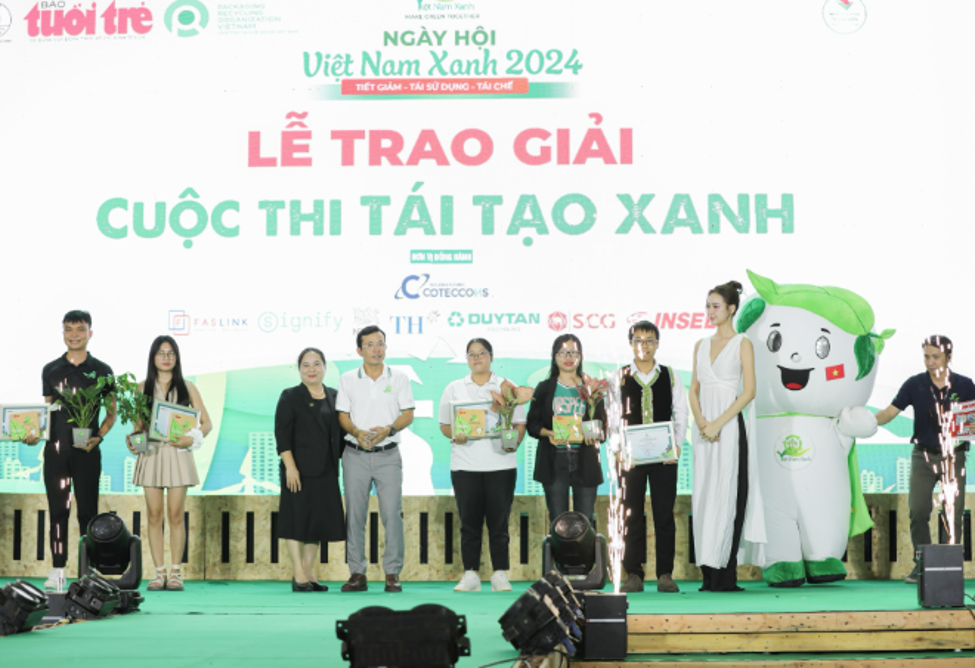
IUH students demonstrated this approach through their participation in the “Green Regeneration” competition, organized as part of the Vietnam Green 2024 programme by Tuổi Trẻ Newspaper, the Packaging Recycling Organization Vietnam and participating partners.
A student team from the Creative and Entrepreneurship Club of IUH’s Institute of Environmental Science, Engineering and Management won first prize in the competition. Their project introduced bowls and plates produced from natural leaves, including banana, lotus and other leaves, demonstrating an alternative approach to conventional disposable tableware.
The products illustrated how plant-based materials could be developed into practical items with potential applications in food consumption and related services. The competition provided students with opportunities to combine environmental knowledge, product development and innovative thinking.
The initiative also highlighted the role of universities in generating ideas that may support businesses and service providers seeking more sustainable material alternatives.
For campus food services, innovations involving leaf-based tableware are relevant to the discussion of alternatives to conventional single-use packaging and utensils. However, product development does not by itself demonstrate that these alternatives have been adopted by contracted canteen operators.
This student innovation therefore provides a relevant foundation for promoting sustainable product choices and environmental awareness, consistent with the broader objectives of SDG 12.
Evidence link:
Activity 2: Promoting Reusable Tableware and Responsible Consumption in Campus Canteens
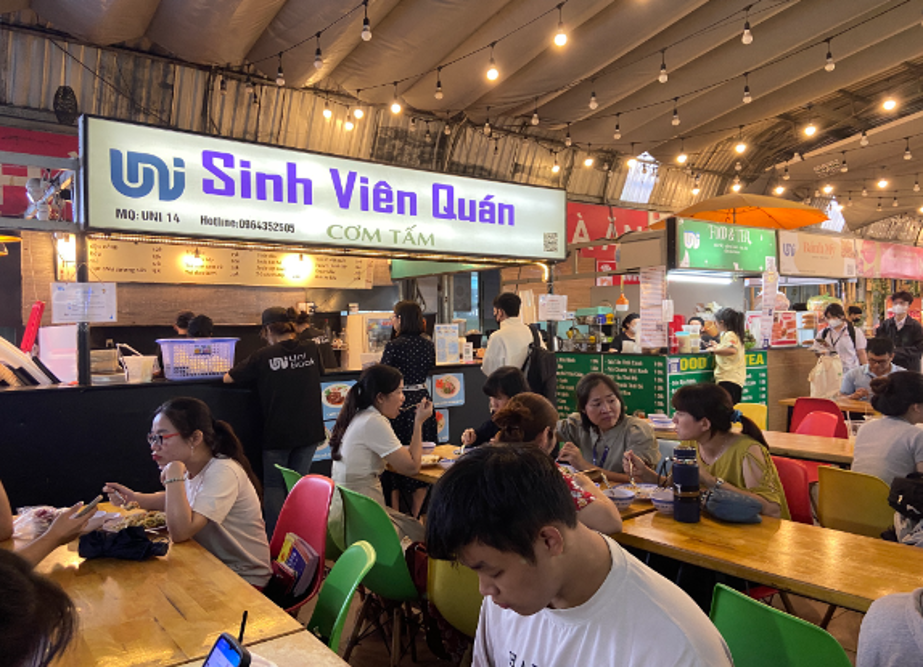
Campus canteens are important service environments where sustainable consumption practices can be encouraged through food service arrangements, choices of tableware and everyday purchasing decisions.
IUH’s supporting dossier identifies campus food services as an area for promoting the reduction of disposable items, particularly plastic cups, food containers, plastic bags and other single-use materials associated with food consumption.
Canteens serve students, lecturers, staff and other members of the University community, making them relevant locations for communicating and encouraging responsible consumption habits.
The use of reusable plates, bowls, utensils and other durable serving equipment represents a practical approach to reducing dependence on disposable tableware in dine-in food services.
In addition, encouraging consumers to reduce unnecessary packaging and consider reusable alternatives can support awareness of the environmental implications of everyday purchasing and consumption.
For outsourced services, the long-term effectiveness of such practices depends on coordination between the University and canteen operators. Formal service requirements, contractual provisions and monitoring arrangements can help translate institutional sustainability objectives into consistent operational practices.
The campus canteen initiative identified in IUH’s dossier provides a relevant area for developing these practices and engaging food service providers in responsible material use.
By promoting sustainable consumption in food service environments, IUH supports the broader objectives of SDG 12 and the development of more environmentally conscious campus operations.
Evidence link:
Results and Impact
IUH’s supporting materials identify two relevant foundations for promoting responsible consumption in service-related activities: a student-developed alternative to conventional disposable tableware and the identification of campus canteens as an operational setting for encouraging reusable products and reduced packaging. The Green Regeneration project received first prize in a competition held in 2024, while the canteen documentation outlines approaches relevant to food service waste prevention. These materials demonstrate the potential contributions of student innovation and service environments to the University’s broader sustainability objectives.
These initiatives provide opportunities to increase awareness of sustainable material choices among students, staff and food service stakeholders. Leaf-based tableware innovations illustrate possible alternatives to conventional disposable products, while reusable dining utensils and reduced packaging can support more responsible consumption in campus food services. When supported by formal requirements for contracted operators and appropriate monitoring, these approaches can contribute to a more systematic extension of waste minimisation practices to outsourced services, consistent with the objectives of SDG 12.
IUH thúc đẩy tiêu dùng có trách nhiệm thông qua sáng kiến xanh và thực hành dịch vụ ăn uống trong khuôn viên trường
Giảm thiểu vật dụng dùng một lần trong các hoạt động dịch vụ tại trường đại học đòi hỏi sự phối hợp giữa Nhà trường, đơn vị cung cấp dịch vụ và cộng đồng người sử dụng. Bao bì thực phẩm, ly nhựa, túi ni lông và dụng cụ ăn uống dùng một lần là những loại vật tư có thể làm gia tăng chất thải trong quá trình vận hành hằng ngày. Vì vậy, việc khuyến khích sử dụng sản phẩm có thể tái sử dụng và những giải pháp thay thế thân thiện với môi trường có ý nghĩa quan trọng đối với công tác quản lý bền vững.
Trường Đại học Công nghiệp Thành phố Hồ Chí Minh (IUH) thúc đẩy tiêu dùng có trách nhiệm thông qua các sáng kiến đổi mới sáng tạo trong lĩnh vực môi trường và định hướng sử dụng nguồn lực hiệu quả tại các cơ sở dịch vụ ăn uống trong khuôn viên trường. Những giải pháp thay thế sản phẩm dùng một lần do sinh viên nghiên cứu, kết hợp với khả năng ứng dụng vật dụng tái sử dụng trong hoạt động căn tin, tạo nền tảng để nâng cao nhận thức và tăng cường sự tham gia của các đơn vị dịch vụ trong thực hành phát triển bền vững.
Các hướng tiếp cận này góp phần thực hiện Mục tiêu phát triển bền vững số 12 (SDG 12) – Tiêu dùng và sản xuất có trách nhiệm, đặc biệt trong sử dụng tài nguyên hiệu quả, hạn chế chất thải và thúc đẩy những lựa chọn tiêu dùng bền vững.
Hoạt động 1: Cuộc thi “Tái tạo xanh” – Phát triển giải pháp thay thế sản phẩm dùng một lần
Nghiên cứu và phát triển sản phẩm thân thiện với môi trường tạo điều kiện để xem xét những giải pháp thay thế vật liệu và sản phẩm dùng một lần trong hoạt động tiêu dùng, đặc biệt là dịch vụ ăn uống.
Sinh viên IUH đã thể hiện định hướng này thông qua việc tham gia cuộc thi “Tái tạo xanh”, thuộc chương trình Việt Nam Xanh 2024 do Báo Tuổi Trẻ phối hợp với Liên minh Tái chế bao bì Việt Nam và các đơn vị đồng hành tổ chức.
Nhóm sinh viên thuộc Câu lạc bộ Sáng tạo và Khởi nghiệp, Viện Khoa học Công nghệ và Quản lý Môi trường của IUH đã xuất sắc đạt giải Nhất với dự án phát triển chén, đĩa từ các loại lá cây tự nhiên, bao gồm lá chuối, lá sen và những nguyên liệu thực vật khác.
Sản phẩm thể hiện khả năng khai thác vật liệu có nguồn gốc thực vật để tạo ra dụng cụ phục vụ ăn uống, qua đó giới thiệu một hướng tiếp cận thay thế các sản phẩm dùng một lần thông thường.
Cuộc thi tạo điều kiện để sinh viên kết hợp kiến thức chuyên môn về môi trường với hoạt động nghiên cứu sản phẩm, phát triển ý tưởng và ứng dụng tư duy đổi mới sáng tạo.
Sáng kiến cũng cho thấy vai trò của môi trường đại học trong việc hình thành những ý tưởng có khả năng hỗ trợ doanh nghiệp và đơn vị dịch vụ tiếp cận các lựa chọn vật liệu bền vững hơn.
Đối với hoạt động dịch vụ ăn uống, sản phẩm chén, đĩa làm từ lá cây cung cấp một ví dụ về khả năng phát triển giải pháp thay thế vật dụng dùng một lần. Tuy nhiên, kết quả nghiên cứu và dự thi không đồng nghĩa với việc sản phẩm đã được triển khai trong hệ thống căn tin hoặc trở thành yêu cầu bắt buộc đối với nhà cung cấp dịch vụ của IUH.
Hoạt động góp phần thúc đẩy nhận thức về lựa chọn vật liệu bền vững, đổi mới sáng tạo trong sản xuất và tiêu dùng có trách nhiệm, phù hợp với định hướng chung của SDG 12.
Nguồn minh chứng:
Hoạt động 2: Khuyến khích sử dụng dụng cụ tái sử dụng và tiêu dùng có trách nhiệm tại căn tin IUH
Căn tin là không gian dịch vụ quan trọng trong trường đại học, nơi có thể thúc đẩy những thực hành tiêu dùng bền vững thông qua tổ chức phục vụ ăn uống, lựa chọn dụng cụ và thói quen sử dụng sản phẩm hằng ngày.
Hồ sơ minh chứng của IUH xác định dịch vụ căn tin là một trong những lĩnh vực có thể triển khai các giải pháp giảm thiểu vật dụng dùng một lần, đặc biệt là ly nhựa, hộp đựng thực phẩm, túi ni lông và các loại bao bì phát sinh từ hoạt động ăn uống.
Hệ thống căn tin phục vụ nhu cầu của sinh viên, giảng viên, viên chức và những người tham gia hoạt động trong khuôn viên Nhà trường, qua đó tạo điều kiện để truyền thông và khuyến khích thói quen tiêu dùng có trách nhiệm.
Việc ưu tiên sử dụng chén, đĩa, muỗng, đũa và những dụng cụ có thể sử dụng nhiều lần là một giải pháp thực tế nhằm hạn chế sự phụ thuộc vào vật dụng dùng một lần đối với dịch vụ ăn uống tại chỗ.
Bên cạnh đó, khuyến khích người sử dụng giảm bao bì không cần thiết và lựa chọn sản phẩm có thể tái sử dụng góp phần nâng cao nhận thức về tác động môi trường từ những hành vi tiêu dùng hằng ngày.
Đối với dịch vụ thuê ngoài, hiệu quả triển khai lâu dài phụ thuộc vào sự phối hợp giữa Nhà trường và các đơn vị kinh doanh căn tin. Việc xây dựng yêu cầu cụ thể trong hợp đồng, quy định vận hành và cơ chế kiểm tra có thể giúp chuyển hóa định hướng phát triển bền vững thành những thực hành thống nhất.
Nội dung về căn tin trong hồ sơ IUH cho thấy đây là lĩnh vực có khả năng triển khai các giải pháp giảm vật dụng dùng một lần và tăng cường sự tham gia của đơn vị cung cấp dịch vụ vào công tác sử dụng tài nguyên có trách nhiệm.
Thông qua việc thúc đẩy những lựa chọn tiêu dùng bền vững trong hoạt động ăn uống, Nhà trường góp phần hướng đến SDG 12 và xây dựng môi trường đại học có trách nhiệm với tài nguyên và môi trường.
Nguồn minh chứng:
Kết quả và tác động
Hồ sơ IUH xác định hai nội dung liên quan đến thúc đẩy tiêu dùng có trách nhiệm trong hoạt động dịch vụ: sáng kiến của sinh viên về sản phẩm thay thế chén, đĩa dùng một lần và định hướng khuyến khích sử dụng vật dụng tái sử dụng trong hệ thống căn tin. Trong đó, dự án “Tái tạo xanh” đạt giải Nhất tại cuộc thi thuộc chương trình Việt Nam Xanh 2024, còn tài liệu về căn tin đề cập đến những giải pháp hạn chế bao bì và dụng cụ dùng một lần trong dịch vụ ăn uống. Đây là những cơ sở để Nhà trường tiếp tục phát triển các biện pháp giảm thiểu chất thải và phối hợp với đơn vị cung cấp dịch vụ trong thực hành tiêu dùng bền vững.
Những sáng kiến và định hướng trên tạo điều kiện nâng cao nhận thức về lựa chọn vật liệu, sử dụng sản phẩm tái sử dụng và hạn chế chất thải trong cộng đồng đại học. Các sản phẩm từ lá cây minh họa khả năng phát triển giải pháp thay thế vật dụng dùng một lần, trong khi việc sử dụng dụng cụ ăn uống nhiều lần tại căn tin có thể góp phần giảm nhu cầu sử dụng bao bì và đồ dùng dùng một lần. Khi được cụ thể hóa bằng yêu cầu hợp đồng và cơ chế giám sát đối với nhà cung cấp dịch vụ, các giải pháp này có thể hỗ trợ IUH mở rộng thực hành giảm thiểu chất thải trong hoạt động thuê ngoài, phù hợp với định hướng của SDG 12.


