
Reducing disposable items is an important component of responsible consumption and sustainable university operations. Single-use bottles, cups, packaging and printed materials can generate unnecessary waste when reusable or digital alternatives are available. Addressing these practices requires appropriate infrastructure, awareness-raising activities and institutional management arrangements.
Industrial University of Ho Chi Minh City (IUH) promotes responsible resource use through initiatives related to drinking water accessibility, the sharing of workplace improvement knowledge and documented event management arrangements. These activities illustrate different approaches to resource efficiency, waste prevention and institutional responsibility.
Together, they contribute to the broader objectives of Sustainable Development Goal 12 (SDG 12) – Responsible Consumption and Production, particularly the encouragement of sustainable consumption practices and more efficient use of materials.
Activity 1: Encouraging Reusable Drinking Containers through Public Drinking Water Facilities
The availability of accessible drinking water facilities provides a practical foundation for encouraging more responsible consumption habits in educational institutions.
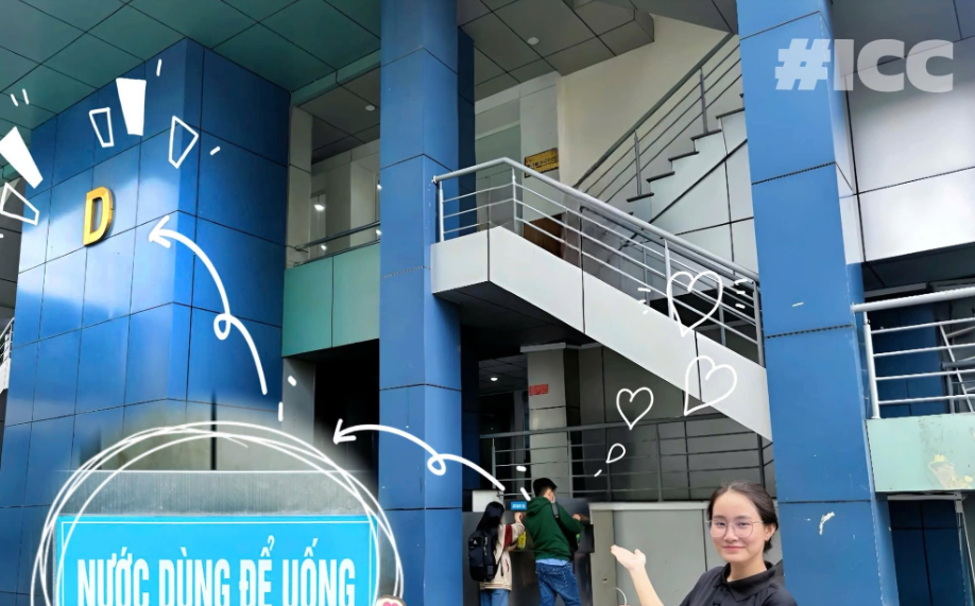
IUH’s supporting documentation identifies a public drinking water facility as part of its efforts to encourage more environmentally conscious practices among the campus community.
Access to drinking water offers an alternative that can support the use of personal refillable bottles instead of relying exclusively on commercially packaged bottled water.
This approach is relevant to students, lecturers, administrative staff and other members of the University community who use campus facilities during their daily activities.
Encouraging reusable drinking containers can help raise awareness of the environmental implications of single-use plastic bottles and cups. It also connects individual consumption decisions with broader institutional sustainability objectives.
The educational value of such infrastructure extends beyond the physical facility. It provides an opportunity to communicate the importance of reducing avoidable waste and incorporating environmentally responsible habits into everyday campus life.
By promoting reusable alternatives and encouraging awareness of disposable packaging, this initiative supports the broader objectives of SDG 12 and the development of a campus culture oriented towards responsible consumption.
Evidence link:
https://www.facebook.com/photo?fbid=935779248578317&set=a.557498086406437
Activity 2: Sharing Workplace Improvement Practices and Resource Efficiency Knowledge
Efficient resource use is also associated with the organization of working environments, the prevention of unnecessary consumption and the continuous improvement of administrative practices.
On 27 March 2025, the Kon Tum Union of Science and Technology Associations, in cooperation with the provincial Department of Science and Technology, organized a training conference on innovation and the improvement of professional working environments in public agencies and organizations.
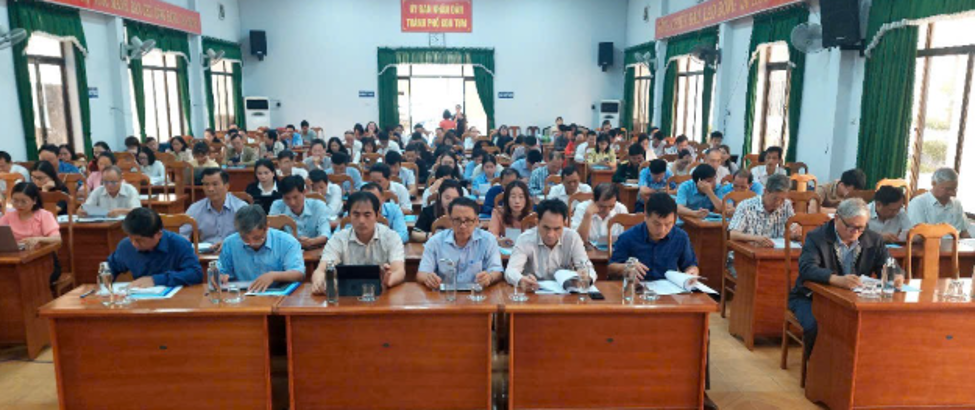
The event brought together more than 100 participants, including representatives of public administrative agencies, educational institutions, businesses, cooperatives and other organizations.
Dr. Pham Thi Hong Phuong, affiliated with Industrial University of Ho Chi Minh City, participated as a speaker. Her presentation addressed innovative thinking, the identification of workplace waste, continuous improvement through Kaizen, the application of 5S and other quality management tools.
The training introduced participants to approaches for recognizing inefficient practices and improving the organization of working environments.
From the perspective of responsible consumption, identifying unnecessary resource use in administrative activities provides a conceptual foundation for reducing material waste, improving workplace organization and making more efficient use of available resources.
The activity demonstrates the contribution of IUH-affiliated academic expertise to professional knowledge sharing beyond the University. It also illustrates how resource efficiency principles can be communicated to public organizations and other community stakeholders.
This contribution is consistent with the broader objectives of SDG 12, although the conference itself does not establish the existence or implementation of a University-wide disposable item reduction policy.
Evidence link:
Activity 3: Institutional Event Management Regulations and Responsible Material Use
University events involve the preparation and use of various resources, including printed materials, drinking water, packaging, equipment and other supplies.
Documented event management regulations provide an administrative framework for organizing these activities and assigning responsibilities to relevant units and organizing committees.
IUH’s supporting dossier identifies an event management regulation as a document associated with the standardization of event organization and resource management.
Such regulations can establish requirements for event planning, budget management, the use of materials, operational coordination and the responsibilities of participating units.
From a sustainability perspective, institutional event management provides opportunities to encourage electronic documents, reusable equipment and drinking containers, and more efficient use of event supplies.
The integration of disposable item reduction requirements into official event procedures would strengthen the University’s ability to promote consistent waste prevention practices across conferences, seminars and other institutional activities.
The documented regulation therefore represents a potentially important component of IUH’s institutional framework for responsible resource management, subject to verification of its specific provisions and period of application.
By connecting event organization with efficient material use and environmental considerations, IUH supports the objectives of SDG 12 and the development of more responsible operational practices.
Evidence link:
https://drive.google.com/file/d/1j2H4w4YUe4qjUuiR9mKw9N_2_9IzQaF0/view?usp=sharing
Results and Impact
The supporting materials identify three complementary contributions relevant to responsible resource use: a public drinking water facility associated with reusable alternatives, participation by an IUH-affiliated academic in a workplace improvement conference involving more than 100 participants on 27 March 2025, and a documented event management regulation. These materials illustrate approaches involving campus infrastructure, professional knowledge sharing and institutional administration. The conference provides a verified example of the dissemination of workplace efficiency knowledge, while the other materials identify arrangements relevant to reducing disposable consumption and improving resource management.
These initiatives can help raise awareness of material consumption and resource efficiency among campus users and external stakeholders. Access to drinking water can encourage reusable container practices, while knowledge of Kaizen and 5S can support the identification of unnecessary resource use in workplaces. Event management regulations provide a potential foundation for incorporating sustainable material choices into routine institutional activities. Collectively, these approaches are consistent with the broader objectives of SDG 12 by encouraging responsible consumption and more efficient resource use.
IUH thúc đẩy sử dụng tài nguyên có trách nhiệm thông qua giải pháp tái sử dụng, cải tiến môi trường làm việc và quản lý sự kiện
Giảm thiểu vật dụng dùng một lần là một nội dung quan trọng trong thúc đẩy tiêu dùng có trách nhiệm và vận hành bền vững tại cơ sở giáo dục đại học. Các loại chai nước, ly uống nước, bao bì và tài liệu in ấn sử dụng một lần có thể làm gia tăng lượng chất thải nếu chưa có những giải pháp thay thế phù hợp. Việc thay đổi thói quen sử dụng tài nguyên cần kết hợp giữa hạ tầng phục vụ, truyền thông nâng cao nhận thức và cơ chế quản lý của Nhà trường.
Trường Đại học Công nghiệp Thành phố Hồ Chí Minh (IUH) thúc đẩy định hướng sử dụng tài nguyên có trách nhiệm thông qua các nội dung liên quan đến cung cấp nước uống, chia sẻ kiến thức cải tiến môi trường làm việc và quản lý hoạt động tổ chức sự kiện. Những nội dung này thể hiện các cách tiếp cận khác nhau nhằm nâng cao hiệu quả sử dụng nguồn lực, hạn chế lãng phí và tăng cường trách nhiệm trong hoạt động vận hành.
Các hoạt động góp phần hướng đến Mục tiêu phát triển bền vững số 12 (SDG 12) – Tiêu dùng và sản xuất có trách nhiệm, đặc biệt thông qua khuyến khích thực hành tiêu dùng bền vững và sử dụng vật tư, tài nguyên hiệu quả.
Hoạt động 1: Khuyến khích sử dụng bình nước cá nhân thông qua hệ thống nước uống công cộng
Việc bố trí các điểm cung cấp nước uống thuận tiện là một giải pháp hạ tầng góp phần khuyến khích thực hành tiêu dùng có trách nhiệm trong môi trường giáo dục đại học.
Hồ sơ minh chứng của IUH đề cập đến hệ thống nước uống công cộng gắn với định hướng nâng cao nhận thức về sử dụng vật dụng tái sử dụng trong khuôn viên Trường.
Khả năng tiếp cận nguồn nước uống tạo điều kiện để người sử dụng lựa chọn bình nước cá nhân có thể sử dụng nhiều lần, thay vì chỉ phụ thuộc vào những sản phẩm nước uống đóng chai.
Giải pháp này có ý nghĩa đối với sinh viên, giảng viên, viên chức và những người thường xuyên tham gia các hoạt động học tập, làm việc tại khuôn viên Nhà trường.
Việc khuyến khích sử dụng bình nước cá nhân còn góp phần nâng cao nhận thức về tác động môi trường của chai nhựa và ly nhựa dùng một lần, đồng thời kết nối hành vi tiêu dùng hằng ngày với định hướng phát triển bền vững.
Bên cạnh giá trị sử dụng trực tiếp, hạ tầng nước uống công cộng còn tạo điều kiện để triển khai hoạt động truyền thông về hạn chế chất thải không cần thiết và xây dựng thói quen thân thiện với môi trường.
Thông qua việc thúc đẩy các lựa chọn có thể tái sử dụng, hoạt động góp phần thực hiện định hướng của SDG 12 và phát triển văn hóa tiêu dùng có trách nhiệm trong cộng đồng đại học.
Nguồn minh chứng:
https://www.facebook.com/photo?fbid=935779248578317&set=a.557498086406437
Hoạt động 2: Chia sẻ kiến thức cải tiến môi trường làm việc và sử dụng nguồn lực hiệu quả
Sử dụng nguồn lực hiệu quả không chỉ liên quan đến việc thay thế vật dụng dùng một lần mà còn gắn với tổ chức không gian làm việc, nhận diện những hoạt động gây lãng phí và cải tiến quy trình hành chính.
Ngày 27/03/2025, Liên hiệp các Hội Khoa học và Kỹ thuật tỉnh Kon Tum phối hợp với Sở Khoa học và Công nghệ tỉnh tổ chức hội nghị tập huấn về đổi mới sáng tạo và cải tiến môi trường làm việc chuyên nghiệp trong các cơ quan, đơn vị trên địa bàn.
Hội nghị có hơn 100 đại biểu tham dự, gồm đại diện các cơ quan quản lý nhà nước, cơ sở giáo dục, doanh nghiệp, hợp tác xã và các tổ chức liên quan.
Tại hội nghị, TS. Phạm Thị Hồng Phượng, giảng viên thuộc Trường Đại học Công nghiệp TP.HCM, tham gia với vai trò báo cáo viên. Nội dung trao đổi tập trung vào tư duy đổi mới sáng tạo, nhận diện các loại lãng phí tại văn phòng, phương pháp cải tiến liên tục Kaizen, thực hành 5S và các công cụ quản lý chất lượng.
Hoạt động cung cấp kiến thức giúp người tham gia tiếp cận những phương pháp nhận diện bất hợp lý trong quá trình làm việc và cải thiện cách thức tổ chức, sử dụng nguồn lực.
Xét dưới góc độ tiêu dùng có trách nhiệm, việc nhận diện lãng phí trong hoạt động hành chính tạo nền tảng để các đơn vị chủ động xem xét nhu cầu sử dụng vật tư, thiết bị và những nguồn lực phục vụ công việc.
Sự tham gia của giảng viên IUH thể hiện đóng góp chuyên môn vào hoạt động phổ biến kiến thức, hỗ trợ cải tiến quản lý tại các cơ quan và tổ chức ngoài Nhà trường.
Hoạt động có liên quan đến định hướng sử dụng tài nguyên hiệu quả của SDG 12, đồng thời cho thấy khả năng chia sẻ kiến thức chuyên môn từ môi trường đại học đến cộng đồng. Tuy nhiên, nội dung hội nghị không phải bằng chứng trực tiếp về việc áp dụng chính sách giảm vật dụng dùng một lần trong IUH.
Nguồn minh chứng:
Hoạt động 3: Chuẩn hóa công tác tổ chức sự kiện và sử dụng vật tư có trách nhiệm
Các hoạt động hội nghị, hội thảo và sự kiện tại trường đại học thường sử dụng nhiều loại vật tư như tài liệu in ấn, nước uống, bao bì, thiết bị phục vụ và các vật dụng liên quan.
Việc xây dựng quy định quản lý sự kiện tạo cơ sở hành chính để thống nhất cách thức tổ chức, phân công trách nhiệm và sử dụng nguồn lực trong các hoạt động của Nhà trường.
Hồ sơ SDG 12 của IUH xác định tài liệu quy định quản lý sự kiện là một trong những minh chứng liên quan đến công tác chuẩn hóa tổ chức hoạt động và quản lý vật tư.
Các quy định về tổ chức sự kiện có thể tạo cơ sở để xác định trách nhiệm lập kế hoạch, quản lý kinh phí, sử dụng vật tư, phối hợp thực hiện và kiểm tra công tác tổ chức.
Dưới góc độ phát triển bền vững, công tác quản lý sự kiện còn là lĩnh vực có khả năng thúc đẩy sử dụng tài liệu điện tử, thiết bị có thể tái sử dụng, bình nước cá nhân và các phương án hạn chế vật dụng không cần thiết.
Việc đưa yêu cầu giảm vật dụng dùng một lần vào các quy định tổ chức sự kiện chính thức sẽ giúp thống nhất thực hành tại các hội nghị, hội thảo và hoạt động chung của Nhà trường.
Vì vậy, quy định quản lý sự kiện được xác định là một thành phần có tiềm năng hỗ trợ IUH xây dựng cơ chế sử dụng nguồn lực có trách nhiệm, tùy thuộc vào nội dung điều khoản cụ thể và thời điểm áp dụng của văn bản.
Thông qua việc kết nối tổ chức sự kiện với yêu cầu quản lý vật tư và bảo vệ môi trường, Nhà trường hướng đến thực hiện SDG 12 và thúc đẩy hoạt động vận hành theo hướng tiết kiệm, hiệu quả.
Nguồn minh chứng:
https://drive.google.com/file/d/1j2H4w4YUe4qjUuiR9mKw9N_2_9IzQaF0/view?usp=sharing
Kết quả và tác động
Các tài liệu được xác định trong hồ sơ thể hiện ba nội dung có liên quan đến sử dụng nguồn lực có trách nhiệm, gồm hạ tầng nước uống công cộng gắn với khuyến khích sử dụng vật dụng tái sử dụng, sự tham gia của giảng viên IUH trong hội nghị cải tiến môi trường làm việc ngày 27/03/2025 với hơn 100 đại biểu và tài liệu quy định quản lý sự kiện. Các nội dung này phản ánh ba hướng tiếp cận về hạ tầng phục vụ, chia sẻ kiến thức chuyên môn và tổ chức quản lý. Trong đó, hội nghị tại Kon Tum là hoạt động đã có nguồn công khai xác nhận, còn các tài liệu liên quan đến hạ tầng nước uống và quy định sự kiện là những cơ sở cần tiếp tục đối chiếu khi đánh giá việc triển khai thực tế.
Những hoạt động và cơ chế trên góp phần khuyến khích nhận thức về sử dụng tài nguyên hiệu quả đối với cộng đồng trong và ngoài Nhà trường. Hạ tầng nước uống tạo điều kiện cho việc lựa chọn bình nước tái sử dụng; kiến thức Kaizen và 5S hỗ trợ nhận diện lãng phí tại môi trường làm việc; trong khi quy định quản lý sự kiện có thể tạo nền tảng để lồng ghép các yêu cầu sử dụng vật tư tiết kiệm vào công tác tổ chức. Những hướng tiếp cận này phù hợp với mục tiêu chung của SDG 12 về thúc đẩy tiêu dùng có trách nhiệm và sử dụng nguồn lực hiệu quả.


