
Industrial University of Ho Chi Minh City (IUH) promotes fair remuneration, gender equality and transparent human resource management as important foundations for a sustainable working environment. Through structured employment policies, workforce reporting and employee consultation, the University strengthens the institutional mechanisms supporting equitable remuneration and professional development.
In 2025, IUH continued monitoring workforce composition, reviewing salary-related financial information and consulting employees on remuneration arrangements. These activities support the University’s efforts to develop consistent compensation practices, improve institutional accountability and advance SDG 8 – Decent Work and Economic Growth.
Activity 1. Monitoring Workforce Composition through Gender-Disaggregated Personnel Data
IUH maintains workforce information that identifies male and female employees, providing an important foundation for understanding gender representation and strengthening equality in human resource management.
According to the University’s Gender-Responsive Pay Equity and Workforce Diversity Report 2025, the reported staff group comprised 2,089 employees, including 1,305 men (62.5%) and 784 women (37.5%). These statistics provide a quantitative overview of gender representation within the workforce covered by the report.
The collection and reporting of gender-disaggregated personnel information enables IUH to examine workforce composition and supports further analysis of employment categories, professional qualifications, job responsibilities and remuneration arrangements.
For female employees, systematic reporting helps ensure that gender representation is considered in institutional human resource reviews. For male and female employees alike, reliable workforce information supports fairer and more transparent management practices.
The data also provides a basis for examining whether remuneration outcomes are consistent with established professional and performance criteria. When combined with salary information for comparable roles, such records can help identify areas where further investigation or adjustments may be appropriate.
Through structured workforce reporting, IUH strengthens the information foundation needed to support equitable employment practices and gender-responsive remuneration management.
Source:
Activity 2. Monitoring Salary Expenditure and Strengthening Remuneration Transparency
In 2025, IUH documented its financial commitment to employee remuneration through institutional financial reporting and the Gender-Responsive Pay Equity and Workforce Diversity Report.
According to the report, IUH recorded operating revenue of VND 1,662.33 billion, while expenditure on salaries and employee remuneration reached VND 770.51 billion, equivalent to approximately 46.34% of operating revenue. The reported remuneration expenditure represented an increase of 14.77% compared with 2024.
These figures provide an overview of the financial resources allocated to employees and support the University’s monitoring of remuneration expenditure across reporting periods.
IUH’s compensation framework incorporates job classifications, professional qualifications, assigned responsibilities and Key Performance Indicators (KPIs). The use of established criteria supports consistency in salary administration and provides a basis for reviewing compensation practices.
For employees, transparent remuneration procedures help clarify the relationship between professional responsibilities, performance and financial recognition. For university management, financial reporting supports resource allocation, remuneration planning and the assessment of compensation policies.
The 2025 report also identifies internally maintained salary information by gender as part of the University’s personnel records. Such information provides a foundation for comparing remuneration within equivalent employment categories and strengthening gender-responsive salary reviews.
By combining financial reporting with structured remuneration criteria, IUH supports responsible compensation governance and continued attention to equitable treatment.
Source:
Activity 3. Reviewing Remuneration Policies through Employee Consultation and Institutional Governance
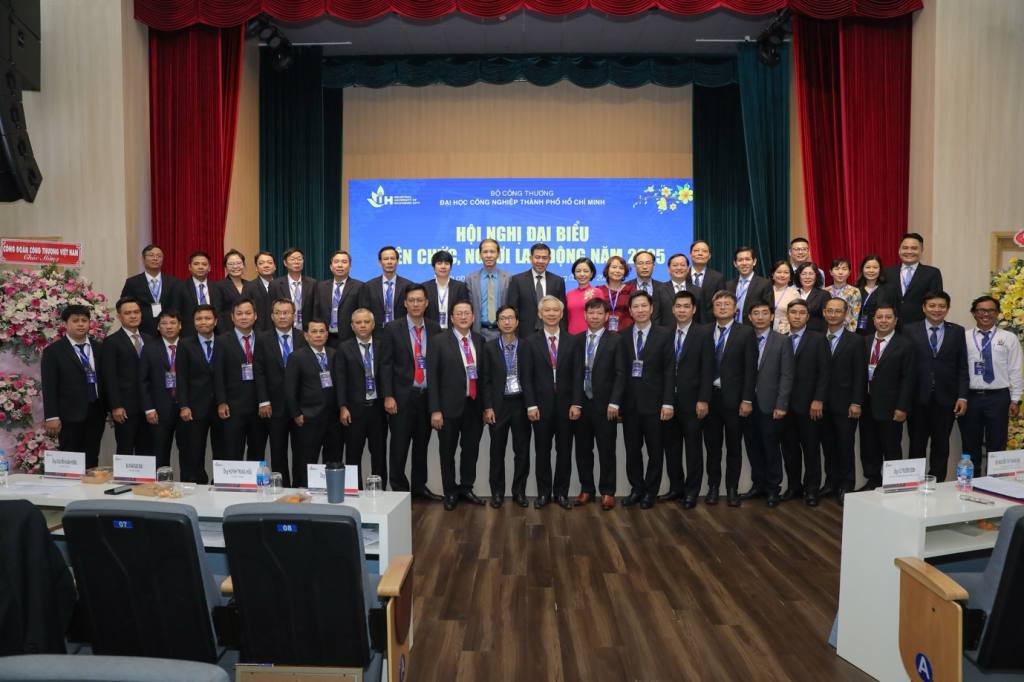
On 7 February 2025, IUH organised its annual Conference of Public Employees and Workers, attended by more than 249 delegates representing staff from across the University.
During the conference, Rector Dr Phan Hong Hai presented proposed changes to the University’s Internal Expenditure Regulations for 2025. Representatives discussed institutional performance, employee interests and priorities for the coming year.
The conference provided a formal opportunity for employee participation in the review of financial and administrative arrangements affecting working conditions and remuneration.
The consultation process was supported by IUH’s Trade Union and institutional governance bodies, reinforcing dialogue between university management and employee representatives.
For academic and administrative staff, participation in these discussions helps improve access to information about remuneration-related decisions and provides opportunities to express concerns or contribute recommendations.
For the University, consultation supports more transparent policy development and strengthens the connection between financial regulations, employee welfare and institutional management.
In relation to gender pay equity, the review of remuneration arrangements creates opportunities to examine whether salary criteria are applied consistently and whether employees have equitable access to compensation and professional development.
Through employee consultation and regulatory review, IUH strengthens institutional accountability and promotes a fair and participatory working environment.
Source:
Results and Impact
In 2025, IUH strengthened remuneration governance through workforce reporting, financial monitoring and employee consultation. Its Gender-Responsive Pay Equity and Workforce Diversity Report presented gender-disaggregated figures for 2,089 employees, including 1,305 men and 784 women. Expenditure on salaries and remuneration reached VND 770.51 billion, accounting for 46.34% of operating revenue and increasing by 14.77% compared with 2024. The report also described remuneration criteria based on job classifications, professional qualifications and performance indicators. On 7 February 2025, more than 249 delegates attended IUH’s Conference of Public Employees and Workers, where proposed changes to the Internal Expenditure Regulations were presented and discussed. These activities established documented processes for personnel reporting, remuneration expenditure monitoring and institutional consultation.
Together, these practices strengthen transparency and provide a foundation for evaluating fairness in employee remuneration. Gender-disaggregated workforce information supports the identification of employment patterns requiring further examination, while structured salary criteria help employees understand how professional responsibilities and performance are recognised. Employee consultation creates opportunities for staff representatives to participate in discussions affecting compensation and working conditions. For women and men across the University, a transparent remuneration framework supports confidence in employment decisions and equitable opportunities for professional development. By connecting personnel data, salary governance and employee participation, IUH strengthens its capacity to support gender-responsive employment practices, protect workers’ interests and advance sustainable human resource development under SDG 8.
IUH tăng cường theo dõi công bằng tiền lương theo giới và minh bạch trong quản lý chế độ đãi ngộ người lao động
Trường Đại học Công nghiệp Thành phố Hồ Chí Minh (IUH) chú trọng thực hiện chế độ đãi ngộ công bằng, bảo đảm bình đẳng giới và tăng cường minh bạch trong quản trị nguồn nhân lực. Thông qua hệ thống quy định về tiền lương, thống kê nhân sự và cơ chế tham vấn người lao động, Nhà trường từng bước củng cố nền tảng quản lý thu nhập dựa trên năng lực chuyên môn, trách nhiệm và kết quả thực hiện nhiệm vụ.
Trong năm 2025, IUH tiếp tục theo dõi cơ cấu nhân sự theo giới, tổng hợp chi phí tiền lương và tổ chức trao đổi về các quy định liên quan đến chế độ đãi ngộ. Những hoạt động này góp phần nâng cao trách nhiệm giải trình, bảo vệ quyền lợi người lao động và thúc đẩy SDG 8 – Việc làm tốt và tăng trưởng kinh tế.
Hoạt động 1. Theo dõi cơ cấu nhân sự theo giới nhằm nâng cao tính minh bạch trong quản lý nguồn nhân lực
IUH thực hiện thống kê cơ cấu nhân sự nam và nữ, tạo nền tảng thông tin phục vụ công tác quản trị đội ngũ, đánh giá sự đa dạng và thực hiện các nguyên tắc bình đẳng trong môi trường làm việc.
Theo Báo cáo về công bằng tiền lương theo giới và đa dạng đội ngũ năm 2025, nhóm nhân sự được thống kê gồm 2.089 người, trong đó có 1.305 nam, chiếm 62,5%, và 784 nữ, chiếm 37,5%.
Việc ghi nhận số lượng nhân sự theo giới giúp Nhà trường có cơ sở xem xét sự tham gia của nam và nữ trong đội ngũ, đồng thời hỗ trợ phân tích theo vị trí việc làm, trình độ chuyên môn, trách nhiệm và các yếu tố liên quan đến chế độ đãi ngộ.
Đối với viên chức, người lao động nữ, hệ thống thống kê góp phần đưa yếu tố giới vào quá trình rà soát chính sách nhân sự. Đối với toàn thể đội ngũ, việc duy trì dữ liệu tin cậy giúp tăng tính minh bạch và tạo căn cứ cho những quyết định quản lý có tính nhất quán.
Khi kết hợp với thông tin về mức lương và các vị trí công việc tương đương, dữ liệu nhân sự theo giới còn có thể hỗ trợ nhận diện những khác biệt thu nhập cần được xem xét.
Thông qua theo dõi cơ cấu đội ngũ, IUH củng cố nền tảng dữ liệu phục vụ quản lý nhân sự công bằng, bảo đảm cơ hội nghề nghiệp và phát triển chế độ đãi ngộ có tính đến yếu tố giới.
Nguồn minh chứng:
Hoạt động 2. Theo dõi quỹ lương và tăng cường minh bạch trong quản lý chính sách đãi ngộ
Trong năm 2025, IUH tiếp tục tổng hợp và theo dõi các nguồn lực tài chính dành cho tiền lương, thu nhập và chế độ đãi ngộ thông qua hệ thống báo cáo tài chính và quản lý nhân sự của Nhà trường.
Theo Báo cáo về công bằng tiền lương theo giới và đa dạng đội ngũ năm 2025, tổng nguồn thu hoạt động của IUH đạt 1.662,33 tỷ đồng, trong đó chi phí tiền lương và thu nhập là 770,51 tỷ đồng, tương đương khoảng 46,34% tổng nguồn thu hoạt động. Khoản chi này tăng 14,77% so với năm 2024.
Việc tổng hợp quỹ lương giúp Nhà trường theo dõi biến động nguồn lực tài chính dành cho đội ngũ lao động và hỗ trợ xây dựng các phương án phân bổ thu nhập phù hợp với điều kiện vận hành.
IUH áp dụng các tiêu chí quản lý tiền lương liên quan đến vị trí việc làm, trình độ chuyên môn, trách nhiệm và kết quả thực hiện nhiệm vụ thông qua các chỉ số đánh giá hiệu quả công việc (KPIs).
Đối với người lao động, việc áp dụng tiêu chí xác định thu nhập rõ ràng góp phần tăng khả năng tiếp cận thông tin và hiểu những yếu tố liên quan đến chế độ đãi ngộ. Đối với Nhà trường, theo dõi chi phí tiền lương tạo cơ sở nâng cao hiệu quả quản trị tài chính và rà soát chính sách nhân sự.
Báo cáo cũng đề cập dữ liệu tiền lương chi tiết phân tách theo giới được quản lý nội bộ, tạo nền tảng cho việc xem xét thu nhập giữa các nhóm lao động có công việc tương đương.
Thông qua kết hợp thông tin tài chính và tiêu chí quản lý nhân sự, IUH hướng đến nâng cao tính minh bạch, trách nhiệm giải trình và công bằng trong quản lý chế độ đãi ngộ.
Nguồn minh chứng:
Hoạt động 3. Rà soát chính sách tiền lương và thúc đẩy sự tham gia của người lao động thông qua Hội nghị Viên chức, Người lao động năm 2025
Ngày 07/02/2025, IUH tổ chức Hội nghị đại biểu Viên chức, Người lao động năm 2025 với sự tham dự của hơn 249 đại biểu đại diện cho các đơn vị trong toàn trường.
Tại Hội nghị, TS. Phan Hồng Hải, Bí thư Đảng ủy, Hiệu trưởng Nhà trường, trình bày những nội dung thay đổi trong dự thảo Quy chế chi tiêu nội bộ năm 2025. Chương trình đồng thời tạo điều kiện để đại biểu trao đổi về kết quả hoạt động, các định hướng phát triển và những nội dung liên quan đến quyền lợi, điều kiện làm việc của người lao động.
Hoạt động được tổ chức với sự tham gia của Công đoàn và các bộ phận trong hệ thống quản trị, góp phần củng cố cơ chế tham vấn và đối thoại giữa lãnh đạo Nhà trường với đại diện đội ngũ nhân sự.
Đối với giảng viên, viên chức và người lao động, Hội nghị tạo cơ hội tiếp cận thông tin về các điều chỉnh trong quản lý thu nhập, bày tỏ ý kiến và đóng góp vào việc hoàn thiện cơ chế tài chính nội bộ.
Đối với Nhà trường, việc rà soát và trao đổi về Quy chế chi tiêu nội bộ giúp tăng cường tính công khai trong quá trình xây dựng chính sách, qua đó hỗ trợ quản lý chế độ đãi ngộ theo những nguyên tắc thống nhất.
Ở góc độ công bằng tiền lương theo giới, hoạt động tham vấn tạo điều kiện xem xét tính nhất quán của tiêu chí trả lương và khả năng tiếp cận các chế độ đãi ngộ giữa các nhóm lao động.
Thông qua đối thoại và rà soát chính sách, IUH tăng cường trách nhiệm giải trình, thúc đẩy quản trị dân chủ và bảo vệ quyền lợi chính đáng của người lao động.
Nguồn minh chứng:
Kết quả và tác động (Results and Impact)
Trong năm 2025, IUH tăng cường quản trị chế độ đãi ngộ thông qua hoạt động thống kê cơ cấu nhân sự, theo dõi quỹ lương và tham vấn người lao động. Báo cáo về công bằng tiền lương theo giới và đa dạng đội ngũ năm 2025 ghi nhận 2.089 nhân sự trong phạm vi thống kê, gồm 1.305 nam và 784 nữ. Chi phí tiền lương và thu nhập đạt 770,51 tỷ đồng, chiếm 46,34% tổng nguồn thu hoạt động và tăng 14,77% so với năm 2024. Báo cáo đồng thời đề cập việc xác định thù lao theo vị trí việc làm, trình độ chuyên môn và kết quả công việc. Ngày 07/02/2025, Nhà trường tổ chức Hội nghị đại biểu Viên chức, Người lao động với hơn 249 đại biểu tham dự, trong đó có nội dung trình bày và thảo luận những thay đổi trong dự thảo Quy chế chi tiêu nội bộ năm 2025. Những hoạt động này thể hiện việc theo dõi dữ liệu nhân sự theo giới, quản lý nguồn lực dành cho thu nhập và duy trì cơ chế trao đổi về chính sách đãi ngộ.
Việc kết hợp dữ liệu nhân sự, thông tin tài chính và hoạt động tham vấn góp phần củng cố tính minh bạch trong quản lý nguồn nhân lực và tạo nền tảng để đánh giá mức độ công bằng trong chế độ tiền lương. Đối với giảng viên, viên chức và người lao động, các tiêu chí trả lương rõ ràng hỗ trợ việc hiểu quyền lợi, trách nhiệm và cơ hội phát triển nghề nghiệp. Đối với lao động nữ, việc chú trọng thống kê theo giới và áp dụng tiêu chí chuyên môn trong quản lý thu nhập góp phần thúc đẩy nguyên tắc đối xử bình đẳng. Hoạt động đối thoại cũng tăng cường cơ hội để người lao động phản ánh ý kiến về những vấn đề liên quan đến chế độ đãi ngộ. Đối với Nhà trường, việc theo dõi và rà soát dữ liệu tạo điều kiện nâng cao chất lượng quản trị, phát triển đội ngũ ổn định và thúc đẩy môi trường làm việc công bằng, đóng góp vào SDG 8 – Việc làm tốt và tăng trưởng kinh tế.


